
A child’s first pair of glasses marks a milestone — but the real challenge starts the moment those tiny frames slide down a nose during a soccer game or snap under a backpack strap. Finding a pair that stays put, survives drops, and actually fits a face that’s still growing is where most parents hit a wall.
I’m Mohammad Maruf — the founder and writer behind Drink4Good. I’ve spent many hours researching frame materials, lens treatments, and real-world durability reports from families who rely on these products every day.
From flexible TR90 frames that bend without breaking to polarized swim goggles that block glare and stay fog-free, this guide breaks down the strongest options across different needs for finding the best glasses for kids.
How To Choose The Best Glasses For Kids
The right pair of kids’ glasses is a balancing act between durability, comfort, and the specific visual task at hand — whether it’s reading a tablet, swimming in the pool, or playing outdoor sports. Focus on these three factors before making your choice.
Frame Material And Flexibility
Children move fast, and their glasses take the punishment. TR90, a thermoplastic material, offers extreme flexibility and returns to shape after twisting, making it ideal for active kids ages 6 and up. Silicone frames are softer and better for toddlers or infants who still chew on things. Standard plastic frames are more rigid and prone to snapping under pressure, so reserve them for occasional-use prescription frames where the child is old enough to handle them carefully.
Lens Technology And Purpose
A pair labeled for blue light blocking typically uses a substrate that absorbs high-energy visible light — useful for screen-heavy schoolwork and gaming. Polarized lenses cut glare off water and pavement, making them essential for swim goggles and outdoor sunglasses. Anti-fog coatings matter most for goggles used in chlorinated pools or humid environments. For general prescription eyeglasses, polycarbonate lenses are impact-resistant and lighter than standard plastic, and they provide built-in UV protection without an extra coating.
Fit And Adjustability
The bridge width and temple arm length are the two measurements that determine whether glasses stay on a child’s face. A bridge that is too wide causes the frames to slide down constantly; one that is too narrow pinches the nose and leaves red marks. Look for adjustable nose pads or removable straps on models intended for younger children. Spring hinges add a critical safety margin — they allow the temple arms to flex outward without snapping when a child yanks the glasses off one-handed.
Quick Comparison
On smaller screens, swipe sideways to see the full table.
| Model | Category | Best For | Key Spec | Amazon |
|---|---|---|---|---|
| Cyxus Kids Blue Light Blocking Glasses | Blue Blocking | Computer & Gaming | TR90 flexible frame — 17.5 g | Amazon |
| OMID Kids Swim Goggles | Swim Goggles | Pool & Lake Use | Polarized lens — anti-fog | Amazon |
| COCOSAND Flexible Baby Sunglasses | Baby Sunglasses | Infants 0-24 Months | Stretch strap — polarized | Amazon |
| SooGree Kids Sport Goggles | Sport Goggles | Soccer & Outdoor Sports | Replaceable to RX lens | Amazon |
| Ray-Ban RY1531 Prescription Frames | RX Frames | Everyday Prescription Wear | 48 mm lens width — 4 oz | Amazon |
In‑Depth Reviews
1. Cyxus Kids Blue Light Blocking Glasses

These Cyxus glasses use a TR90 frame that weighs only 17.5 grams, making them light enough for a 7-year-old to wear through a full school day without complaints. The spring hinges add a layer of protection against breakage when the glasses are snatched off after a long gaming session. At a 49 mm lens width and 112 mm frame size, they sit well on faces ages 6 to 15 without sliding down.
The lenses employ HEV-absorbing substrate technology rather than a simple coating, filtering 90 percent of blue light in the 400–440 nm range. Parents report that screen-related headaches and eye strain disappeared within days of use. The non-prescription lenses are made of aviation-grade polycarbonate, which offers impact resistance and UV400 protection in a single material.
The package includes a hard carrying case, cleaning cloth, and stickers — small touches that help a child take ownership of their glasses. Some users noted that the temple arms can weaken at the hinge point over many months of daily use, so periodic inspection is wise. For the price, the combination of flexible fit and practical lens protection is tough to beat.
Why it’s great
- Ultra-light TR90 frame reduces nose pressure during long wear
- Substrate-based blue light absorption (not just a coating) that lasts longer
Good to know
- Hinge area may loosen after several months of daily use
- Non-prescription only — requires optician to swap in RX lenses
2. OMID Kids Swim Goggles
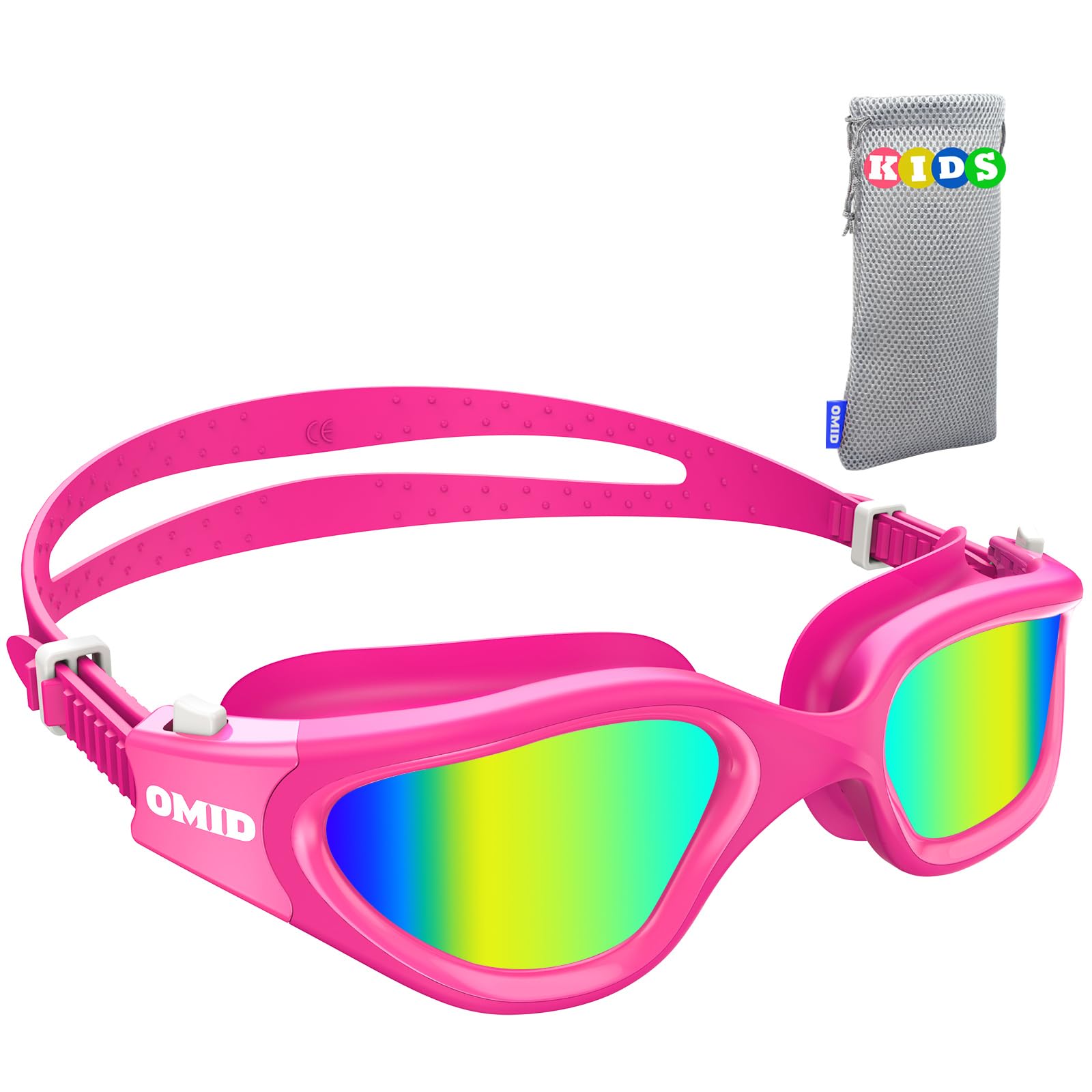
OMID’s P2mini goggles pack polarized lenses that block 99 percent of glare off lakes and pool surfaces — a genuine safety upgrade for a child whose eyes water in bright sun. The low-profile frame and curved lens offer a 180-degree field of view, so a young swimmer can see the wall coming without turning their head. The super-soft silicone gasket distributes pressure evenly around the eye socket to avoid the suction-cup effect that many kids hate.
The anti-fog treatment is baked into the lens rather than relying on a secondary spray, and multiple reviews confirm that fogging is minimal even through a full hour of swim practice. The quick-fit buckle lets a parent adjust the strap tension in seconds, and the flexible nose bridge accommodates different face shapes without pinching. At just 0.13 pounds, these goggles won’t weigh down a child’s face during backstroke or diving drills.
The mirrored lens finish looks sporty, but the coating is susceptible to scratching if the goggles are placed lens-down on a hot pool deck. Storing them in the included case between uses extends the anti-fog and scratch resistance considerably. For a parent who wants reliable water-tightness without the constant struggle of readjusting straps, these goggles deliver consistent performance.
Why it’s great
- Polarized lenses reduce glare effectively for outdoor swimming
- Soft silicone gasket prevents red rings around the eyes
Good to know
- Mirrored coating scratches easily if stored without the case
- Not ideal for deep diving — pressure seal is best at surface to 6 feet
3. COCOSAND Flexible Baby Sunglasses
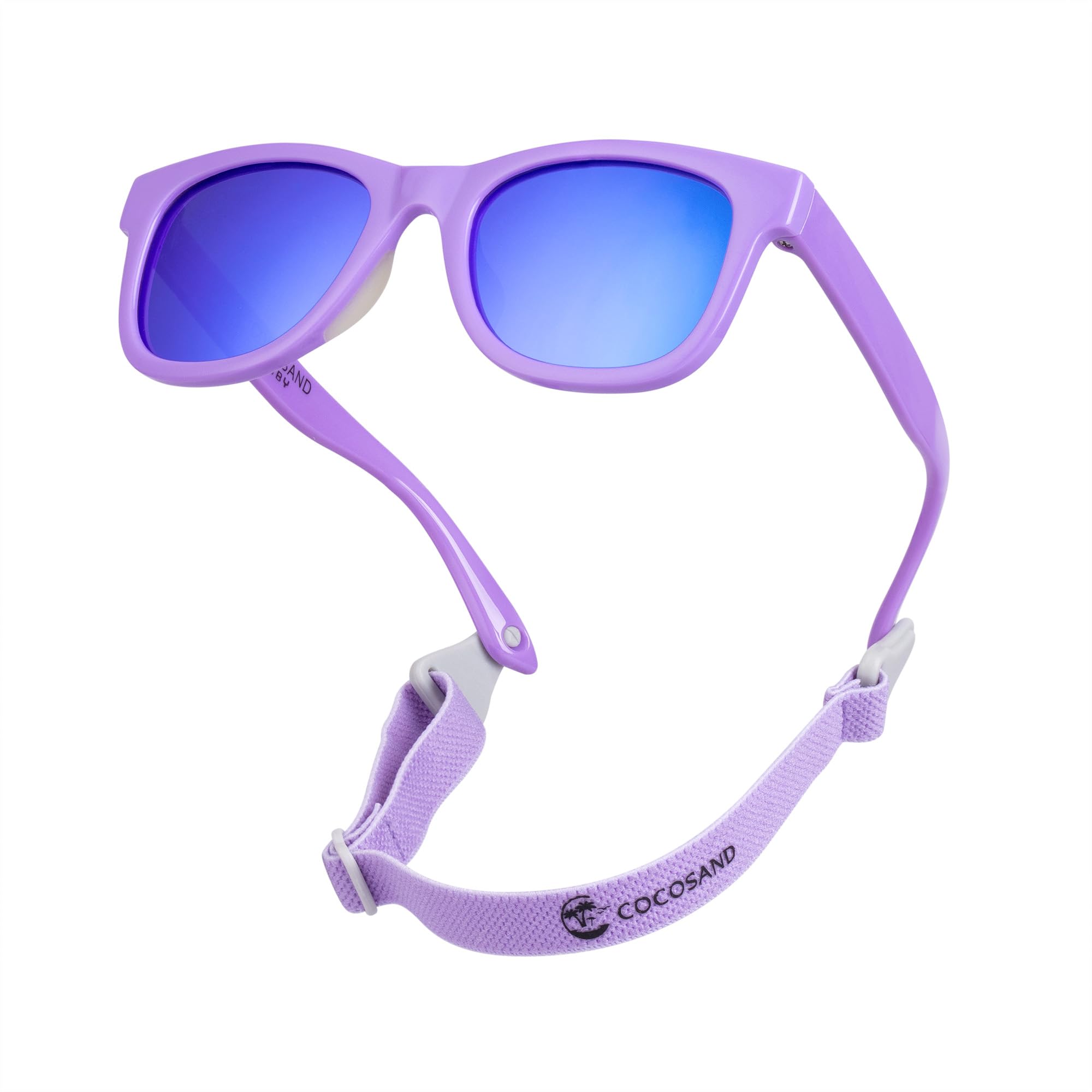
Designed specifically for infants aged 0 to 24 months, the COCOSAND sunglasses use a flexible, soft frame that bends without breaking — a critical feature when a baby chews on the temple or grabs the glasses mid-squirm. The polarized lenses block both UVA and UVB rays, and the scratch-resistant surface has held up well in reviews spanning two months of daily use on a five-month-old. An adjustable elastic strap keeps the glasses on a moving head without relying on the baby’s nose bridge, which has not yet formed.
The frame is lightweight enough that it does not trigger a baby’s instinct to pull an object off their face. Parents report that babies who used to keep their eyes closed in bright sunlight began opening them outdoors once these shades were on. The removable strap is handy for transitioning to a walker or toddler who prefers a standard frame fit. The included cloth carrying case and cleaning cloth add value for a category where accessories are often an afterthought.
Some users noted that the elastic strap is still slightly large even at the tightest setting on a very small infant, so a hat or headband may be needed to keep it from slipping over the eyes. The frame does not warp under heat, unlike cheaper heart-shaped alternatives, and the silicone nose bridge stays put. For a parent seeking genuine UV protection rather than a fashion accessory, these polarized frames provide solid coverage from the first sunny walk.
Why it’s great
- Polarized UVA/UVB protection in a frame that flexes without breaking
- Removable elastic strap keeps glasses on during active movement
Good to know
- Strap may still be loose on very small newborns without a hat underneath
- Designed for ages 0-24 months only — not suitable for older toddlers
4. SooGree Kids Sport Goggles

The SooGree Sport Goggles bridge the gap between everyday protective eyewear and a prescription solution. The wrap-around frame is built from a sturdy polycarbonate material that guards against errant soccer balls and flying grass clippings, and the lenses can be swapped out by an optician for a child’s prescription. With a frame weight of 5.28 ounces, these goggles feel substantial without being overly heavy for active play.
Parents who purchased these for their sons report that the fit is secure during soccer matches and that the material holds up to repeated drops on the field. The adjustable strap system tightens behind the head, keeping the goggles in place even when a child is running hard. The design allows for a full field of peripheral vision, unlike some boxier sport frames that create blind spots.
The main caveat is fogging — a few users noted that the lenses accumulate moisture during high-intensity activity in humid conditions. Adding an aftermarket anti-fog wipe helps, but the factory treatment could be more aggressive. The goggles are best suited for outdoor sports where airflow helps keep the lenses clear. For a parent who needs prescription safety glasses for a sport-focused kid, this frame offers a solid base to build from.
Why it’s great
- Accepts prescription lenses for kids who need vision correction during sports
- Sturdy polycarbonate frame absorbs impact from balls and falls
Good to know
- Lenses can fog up during strenuous activity in humid air
- Frame size best fits ages 8-16 — younger kids may find it too large
5. Ray-Ban RY1531 Prescription Frames
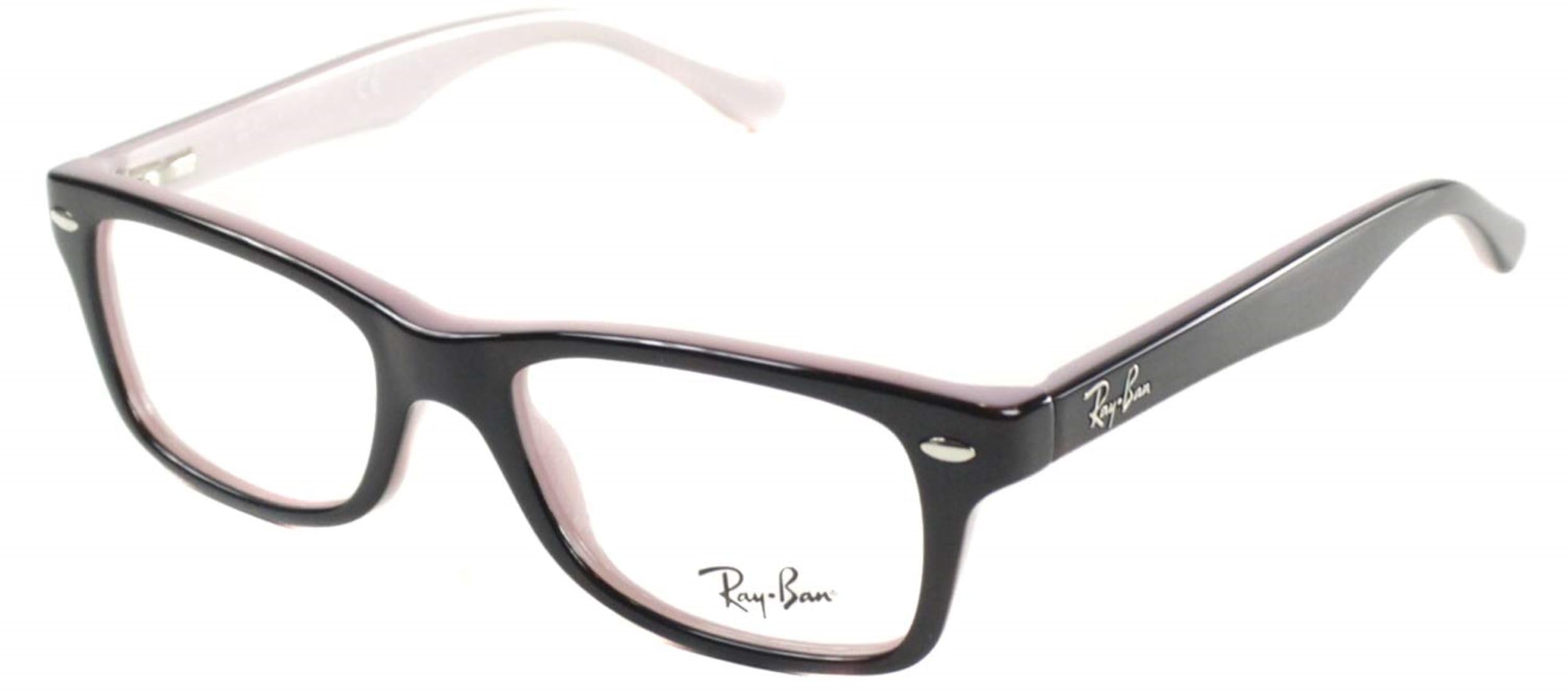
The Ray-Ban RY1531 frames represent the premium end of the kids’ eyewear spectrum, offering the brand’s signature square silhouette in a youth-specific sizing. With a lens width of 48 mm, a bridge of 16 mm, and temple arms of 130 mm, these measurements align with an average child’s face rather than a scaled-down adult frame. The weight of 4 ounces (113 grams) is heavier than a TR90 option but feels reassuringly solid in hand.
Unlike some Ray-Ban youth models that use flimsy temple arms prone to snapping, the RY1531 features reinforced arms that hold their shape over time. The spring hinges absorb the daily stress of one-handed removal, reducing the chance of a bend that throws off the fit. Reviews from adults with narrow faces confirm that these frames work well for smaller head sizes too, making them a versatile choice for a pre-teen who wants a grown-up look.
The price tag puts these firmly in the investment category. The frames arrive without lenses — a parent must take them to an optician for prescription installation. The color options include dark brown and a two-tone red-on-opalin that stands out. For a family that values long-term durability and brand consistency, these frames can outlast a child’s growth spurt if the child handles them with reasonable care.
Why it’s great
- Reinforced temple arms and spring hinges withstand daily use better than other youth Ray-Ban models
- Youth-specific sizing avoids the awkward fit of scaled-down adult frames
Good to know
- Requires a separate optician visit for prescription lens installation
- Heavier than lightweight TR90 frames — may feel bulky for very young children
FAQ
At what age should a child start wearing blue light blocking glasses?
Can I put prescription lenses into any kids sport goggle frame?
How do I measure my child for the right frame size?
Final Thoughts: The Verdict
For most parents, the best glasses for kids winner is the Cyxus Kids Blue Light Blocking Glasses because its TR90 frame and spring hinges combine lightweight comfort with real flexibility — a balance that holds up to school, gaming, and daily drops. If your child swims regularly, grab the OMID Kids Swim Goggles for polarized glare protection and anti-fog performance. And for prescription eyeglasses that look grown-up and last, nothing beats the Ray-Ban RY1531 frames for structure and fit.