
Brick is porous, heavy, and often exposed to weather extremes — a combination that defeats most household glues within weeks. A failed bond means a loose paver, a detached veneer, or a fireplace repair that crumbles under the first real heat. The right adhesive for masonry must handle shear weight, temperature swings, and moisture without shrinking or weakening over time.
I’m Mohammad Maruf — the founder and writer behind Drink4Good. I’ve spent hundreds of hours researching adhesive chemistries, reading through real-world failure reports, and cross-referencing specs like cure time, temperature tolerance, and bond strength to separate what actually works on brick from what only claims to.
This guide breaks down the five most reliable options based on load-bearing capacity, environmental resistance, and application practicality so you can pick the glue for brick that matches your specific repair or installation project.
How To Choose The Best Glue For Brick
Not every adhesive labeled “for masonry” can withstand the real-world demands of brick — porosity, freeze-thaw cycles, and vertical shear loads. Focus on these three factors before buying.
Chemistry: Epoxy vs. Construction Adhesive vs. Mortar
Epoxy pastes (like PC-Masonry) excel in structural repairs where you need gap-filling and high compressive strength. Construction adhesives (like Loctite Power Grab) are better for bonding brick to other materials like wood or metal where some flexibility is acceptable. Dry mortar mixes (like Rutland Refractory Mortar) are the only option for high-heat applications like fireplaces and forges.
Cure Time & Working Conditions
If you are working below 40°F, most adhesives slow down dramatically — look for products that advertise low-temperature application (Loctite’s spec goes down to 0°F). For vertical or overhead repairs, a non-sag paste prevents drips and keeps the material where you place it. Fast-setting formulations (like PC-Masonry’s 5-minute working window) require quick, confident application but hold strong without bracing.
Temperature & Moisture Resistance
Outdoor brick faces rain, snow, and sun. A glue that degrades under constant moisture will fail within months. Check the service temperature range: standard construction adhesives handle 0°F to 140°F, while refractory mortar handles up to 2550°F. For underwater repairs or constant dampness, a moisture-resistant epoxy paste is the safest pick.
Quick Comparison
On smaller screens, swipe sideways to see the full table.
| Model | Category | Best For | Key Spec | Amazon |
|---|---|---|---|---|
| Rutland Dry Mix 211 | Refractory Mortar | Fireplaces, forges, pizza ovens | 2550°F max temperature rating | Amazon |
| SIKA SikaLatex R | Concrete Bonding Agent | Mixing with cement or mortar | 500 psi bond strength | Amazon |
| PC-Masonry Epoxy Paste | Epoxy Paste | Filling cracks, overhead repairs | Non-sag paste formulation | Amazon |
| Loctite Power Grab Ultimate | Construction Adhesive | Bonding brick to wood or metal | Dries crystal clear | Amazon |
| Henry 314 Mastic | Premixed Mastic | Light tiling on brick surfaces | Quick drying time | Amazon |
In‑Depth Reviews
1. Rutland Dry Mix 211 Refractory Mortar
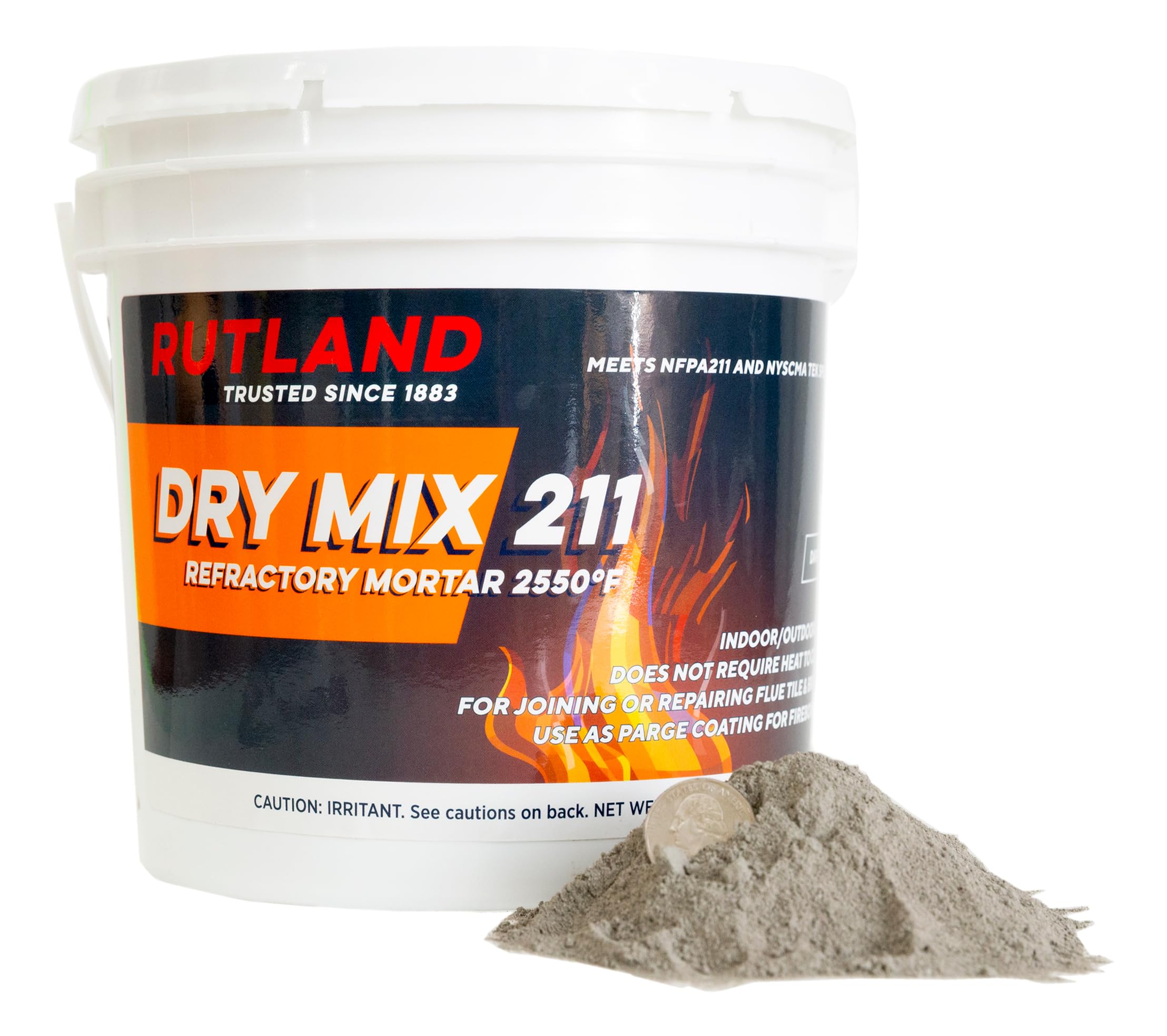
This dry mortar mix is rated for a staggering 2550°F, making it the only real option for high-heat masonry repairs like fireplace fireboxes, forges, kilns, and pizza ovens. The powder mixes with water to a peanut-butter-like consistency that can be troweled onto dampened brick and smoothed with a sponge. It cures at room temperature — no firing needed — and sets hard enough to be professional-grade after just two hours.
Users report that thin layers applied over ceramic fiber blankets in forges hold up to yellow-orange steel heat without cracking, while thick layers on firebox floors handle repeated thermal cycling for months before any superficial cracks appear. The 10-pound tub covers more area than most homeowners need for a single repair, and the dry format means no wasted storage space for pre-mixed pastes.
Shipping weight means delivery can take several weeks for remote locations, and the fine powder requires careful water measurement — too much water creates a weak bond, while too little makes it crumble before it cures. But for anyone repairing a fireplace or building a backyard forge, this is the adhesive that will not fail when the temperature rises.
Why it’s great
- Handles extreme heat up to 2550°F without degrading
- Cures at room temperature — no firing needed
- Easy to apply and sponge smooth for a clean finish
Good to know
- Requires precise water mixing to avoid weakness or crumbling
- Shipping can take several weeks due to heavy weight
2. SIKA SikaLatex R Concrete Adhesive Glue

SikaLatex R is not a standalone glue — it is a liquid acrylic fortifier designed to be mixed into Portland-cement mortar or concrete to boost adhesion and tensile strength. When added as a bonding grout or admixture, it raises the cured material to 500 psi bond strength while resisting freeze-thaw damage that causes spalling in standard mortar. The one-gallon container stores easily and requires no dilution, so preparation is straightforward even for weekend DIYers.
Users have successfully used it to reattach ceramic soap dishes to brick walls, replace loose bricks in a walkway, and repair concrete pillars after cleaning efflorescence. The acrylic-polymer formulation densifies the surface, creating a vapor-permeable bond that does not trap moisture behind the repair. One reviewer reported that bricks replaced with SikaLatex-fortified mortar held for years until a full renovation removed them.
The full cure time extends to 30 days for maximum strength, so heavy loads should not be applied immediately. The product also has a one-year shelf life, so check the manufacturing date before purchase. For permanent structural repairs where the brick will bear significant weight, this bonding agent is the foundation of a reliable bond.
Why it’s great
- Delivers 500 psi bond strength when mixed with mortar
- Resists freeze-thaw damage for outdoor durability
- Vapor-permeable — prevents moisture trapping behind repairs
Good to know
- Not a standalone adhesive — must be mixed with cement or mortar
- Full structural cure takes up to 30 days
3. PC-Masonry Epoxy Adhesive Paste
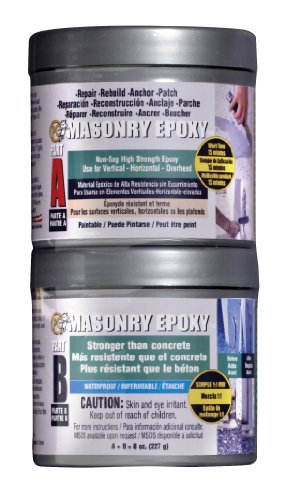
This two-part epoxy paste is formulated specifically for masonry repairs where you need to fill cracks, replace missing concrete, or bond new brick to old. The thick, non-sag consistency stays put on vertical and overhead surfaces — no drips, no sagging. It can be applied to both wet and dry surfaces, making it useful for outdoor repairs that happen after rain or in damp basements. The service temperature range of -20°F to 200°F covers most non-fireplace outdoor conditions.
Real-world users have used it to repair flagstone pavers, adhere slate to concrete, and even patch broken pool tiles that stayed underwater for months without failing. The 5-minute working window forces you to mix small batches and work fast, but the epoxy sets hard enough to be sanded, painted, or stained after 24 to 48 hours. One user noted that the thick paste makes mixing difficult — you need to knead and fold thoroughly to avoid soft spots in the cured material.
The 8-ounce two-can kit is ideal for small repairs and tight budgets. For larger structural gaps, you may need multiple kits. But for its combination of adhesion strength, moisture resistance, and ability to double as a filler, this epoxy paste is the most versatile option in the mid-range price tier.
Why it’s great
- Non-sag paste works on vertical and overhead surfaces
- Bonds to wet and dry surfaces — great for damp conditions
- Can be sanded, painted, or stained after full cure
Good to know
- Thick consistency makes thorough mixing challenging
- 5-minute working time requires quick application
4. Loctite Power Grab Ultimate Crystal Clear
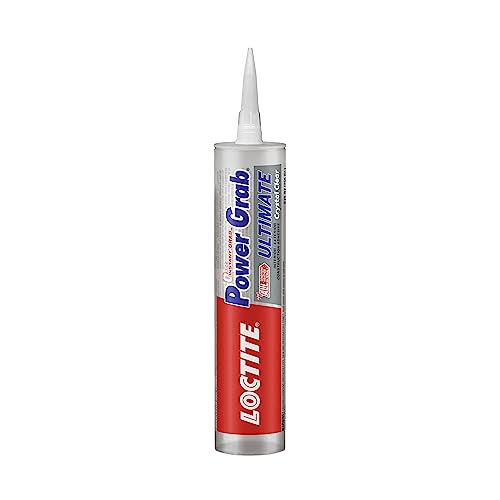
Loctite Power Grab stands out for its ability to bond brick to non-porous materials like metal, tile, and plastic — and remain completely invisible after cure. The crystal-clear formula eliminates the need to color-match or hide adhesive lines, making it the top pick for decorative brick veneers, backsplashes, and visible repairs. It works on wet surfaces and resists temperatures from 0°F to 140°F, which covers most exterior applications outside of extreme heat zones.
Users have successfully installed stainless steel backsplashes on brick, attached decorative ceiling tiles, and bonded wood to brick for shelving. The quick initial tack reduces the need for bracing or nailing, and cleanup with mineral spirits is straightforward if you catch it before cure. One reviewer tested it by hanging a 5-pound steel bracket with a single bead and reported it passed without slipping.
The adhesive cures with a rubbery flexibility rather than a rigid set, which helps absorb minor movement without cracking. However, the jelly-like consistency means it does not fill large gaps — you must press materials firmly together. In freezing conditions, the cure slows dramatically (one user reported it remained tacky after 24 hours at below-freezing temps with heaters running). For clear, weatherproof bonds on flat surfaces, this is the best match.
Why it’s great
- Dries completely clear — invisible on visible repairs
- Bonds brick to non-porous materials like metal and tile
- Weatherproof and works on wet surfaces
Good to know
- Jelly-like consistency — not ideal for gap filling
- Cure slows significantly below freezing temperatures
5. Henry 314 Premixed Mastic Adhesive

Henry 314 is a pre-mixed mastic designed primarily for bonding ceramic tile to concrete and masonry surfaces. It comes ready to use straight from the pail with no mixing required — you spread it with a trowel and press the tile into place. This makes it the most beginner-friendly option for small tiling projects on brick walls, plant stands, or backsplashes where you need a fast, no-fuss application.
Users have used it successfully to tile metal plant stands and small brick accent walls. The adhesive dries quickly, which speeds up the project but also means you have to work fast — if you hesitate, the mastic starts to dry and crumble. The 1-quart size is perfect for small areas like an 8-by-42-inch surface and leaves minimal waste. Several reviewers noted that the pail lid is prone to damage during shipping, causing the top layer to dry out before arrival.
This mastic is not suitable for structural brick repairs, load-bearing bonds, or outdoor applications exposed to standing water. Its strength is adequate for light tile adhesion but not for heavy brick-to-brick bonding. For quick interior tile jobs on a budget, it gets the job done without the complexity of two-part epoxies or dry mortars.
Why it’s great
- Ready to use — no mixing required
- Dries quickly for fast project completion
- Budget-friendly 1-quart size for small jobs
Good to know
- Not for structural brick repairs or heavy loads
- Pail lid is fragile — shipping damage common
FAQ
Can I use regular construction adhesive on brick for outdoor repairs?
What is the difference between refractory mortar and standard brick mortar?
How long should I wait before applying weight to a brick repair?
Final Thoughts: The Verdict
For most users, the glue for brick winner is the PC-Masonry Epoxy Paste because it balances strong adhesion, moisture resistance, and the ability to fill gaps on vertical surfaces without sagging. If you need a transparent bond for visible repairs on decorative brick, grab the Loctite Power Grab Ultimate Crystal Clear. And for high-heat applications like fireplaces or forges, nothing beats the Rutland Dry Mix 211 Refractory Mortar.