
The biggest hurdle in gluten-free sourdough is getting a starter that bubbles, rises reliably, and doesn’t turn into a gritty, dense brick. Standard gluten-free all-purpose blends often lack the protein structure or contain ingredients that stifle fermentation, leaving you with a lifeless jar. The right flour choice is the single variable that determines whether your starter thrives or fails.
I’m Mohammad Maruf — the founder and writer behind Drink4Good. This guide comes from many hours spent cross-referencing protein content, starch compositions, customer fermentation reports, and grind textures to isolate the flours that deliver consistent, active gluten-free sourdough starters.
Here is my targeted analysis of the best options currently on the shelf, each evaluated strictly for its performance in feeding and maintaining a vigorous gluten-free starter. This is your definitive resource for selecting the gluten free flour for sourdough starter that will give you a lively, predictable culture every time you bake.
How To Choose The Best Gluten Free Flour For Sourdough Starter
Selecting a flour for your gluten-free starter is different from picking one for cakes or cookies. Your starter is a living microbial ecosystem that needs the right balance of fermentable carbohydrates and a fine enough particle size for the yeast and bacteria to access. A flour that is too coarse or too low in starch will starve your culture, leading to a weak, slow, or inactive starter.
Grind Fineness and Particle Size
A coarse grind creates large flour particles that take longer for the microbes to colonize and break down. For a sourdough starter, you want a super-fine flour that integrates seamlessly with water and provides maximum surface area for fermentation. Flours labeled as “super-fine” or “single pass milled” are ideal. A gritty flour will produce a dense, grainy starter that is difficult to stir and slower to bubble.
Starch-to-Protein Ratio
While protein (gluten in wheat flours) provides structure, gluten-free flours rely more on starch for the yeast and bacteria to feed on. A higher starch content, typically from white rice flour, tapioca starch, or potato starch, fuels more vigorous fermentation. Blends that are heavy in high-protein but low-starch ingredients like chickpea or almond flour will yield a less active starter. Look for blends where white rice or potato/corn/tapioca starches are the primary ingredients for the most reliable feeding response.
Additive Check: Xanthan Gum and Preservatives
Many gluten-free all-purpose blends include xanthan gum or other stabilizers to mimic gluten’s elasticity in baked goods. For a sourdough starter, these additives are unnecessary and can sometimes interfere with the natural fermentation process or create a slimy, unappealing texture in the jar. Choose a flour blend that is free of gums and artificial preservatives to keep your starter pure and predictable.
Quick Comparison
On smaller screens, swipe sideways to see the full table.
| Model | Category | Best For | Key Spec | Amazon |
|---|---|---|---|---|
| Freee Plain White Flour | Premium Blend | Consistent fermentation | 5-flour blend (rice, potato, tapioca, maize, buckwheat) | Amazon |
| gfJules All Purpose Flour | Mid-Range Blend | No-grit texture | White rice & corn flour base; xanthan gum included | Amazon |
| Sunrise Flour Mill Heritage Bread Flour | Heritage Wheat | Digestibility for gluten sensitivity | Single pass milled; Turkey Red & White Sonora wheat | Amazon |
| Authentic Foods Cake Flour Blend | Premium Single Ingredient | Light, airy cakes & soft texture | Super-fine grind; no xanthan needed | Amazon |
| Anthony’s White Rice Flour | Budget Single Ingredient | Cost-effective base for blending | Fine powder; 100% white rice | Amazon |
In‑Depth Reviews
1. Freee Plain White Flour Bag 2.2 lb
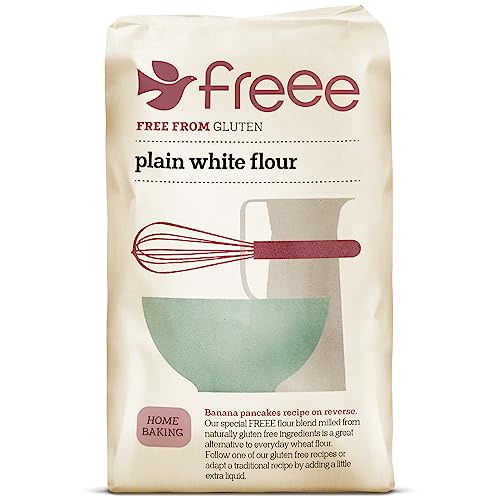
The Freee Plain White Flour from Doves Farm earns the top spot because it was formulated for baking consistency without relying on xanthan gum. Its blend of rice, potato, tapioca, maize, and buckwheat flours creates a starch profile that feeds a sourdough starter reliably, producing consistent bubbles and rise cycle after cycle. The fine particle size of this British import ensures it integrates smoothly with water, avoiding the clumpy, uneven hydration that plagues coarser blends.
Customer feedback repeatedly highlights that this flour is nearly indistinguishable from standard wheat flour in both taste and texture when used in baking. For the starter itself, the absence of gums means no slimy buildup, and the balanced starch content keeps the culture active without requiring frequent adjustments to hydration ratios. Bakers who follow the Loopy Whisk’s recommendations will recognize this as a go-to blend.
The primary drawback is the cost per pound, which sits higher than many domestic single-ingredient flours. Some users note a slight crumbliness in non-yeasted recipes like cookies, though this is less of a concern for sourdough starter feeding where texture in the final baked good depends more on the overall recipe. For a pure starter flour, the fermentation reliability justifies the premium.
Why it’s great
- No xanthan gum keeps starter pure and non-slimy
- 5-ingredient blend provides diverse starches for fermentation
- Fine, consistent grind mixes effortlessly with water
Good to know
- Higher cost per pound compared to single-ingredient flours
- Some reports of crumbliness in non-sourdough baked goods
2. gfJules Certified Gluten Free All Purpose Flour

gfJules has been voted #1 by gluten-free consumers multiple times, and for sourdough starter purposes, its smooth, white blend of modified tapioca, potato, corn, and white rice flours delivers a clean, non-gritty base. The inclusion of corn flour adds a slightly sweet fermentable component that helps kickstart microbial activity. Its cup-for-cup substitution promise means you can use it directly without tweaking hydration formulas you already know.
The flour is certified gluten-free by the GFCO and free of the top 9 allergens, making it a safe choice for those with multiple sensitivities. Reviewers consistently praise the texture in baked goods, noting that cakes and biscuits come out with a tender crumb. For the starter, the xanthan gum present in the blend helps maintain a slightly thicker consistency, which some bakers prefer for handling and shaping.
The inclusion of xanthan gum is the main caveat for starter purists. While it doesn’t kill fermentation, it can create a slightly gummy texture in the starter jar over time, and some users report that it makes the starter feel thicker than they’d like. Additionally, the 1.5-pound pouch size means you’ll go through it quickly if you are feeding your starter daily, and the per-pound cost is high compared to bulk options.
Why it’s great
- Exceptionally smooth, no-grit texture is ideal for starter consistency
- Corn flour adds natural fermentable sugars for activity
- Cup-for-cup substitution works with existing hydration ratios
Good to know
- Contains xanthan gum which can cause a gummy starter texture
- Small pouch size requires frequent repurchasing
3. Sunrise Flour Mill Heritage Organic Bread Flour Blend
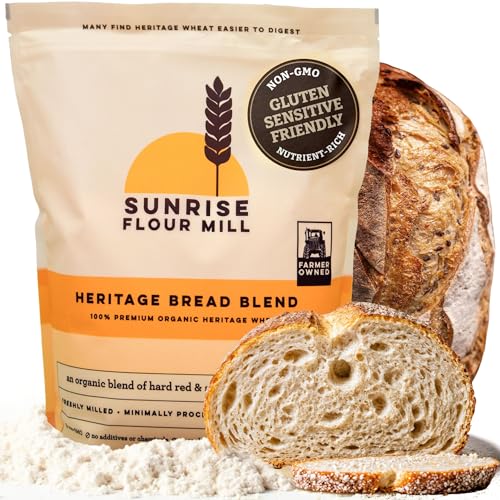
This entry is a special case: it contains wheat, but from pre-hybridized heritage strains (Turkey Red and White Sonora) that many people with non-celiac gluten sensitivity tolerate far better than modern wheat. The single-pass milling from the 1930s produces a super-fine, fluffy flour that hydrates exceptionally well and creates a light, airy sourdough starter with a nutty, complex flavor profile.
Customer reviews are overwhelmingly positive from those who experience bloating and digestive issues with standard wheat flour. The 24-hour cold fermentation recommended by users further breaks down the gluten structure, making the final bread even more digestible. For bakers who want a traditional sourdough experience but have struggled with modern wheat, this flour is a transformative option that produces beautiful oven spring and crumb.
This is not gluten-free by celiac standards. If you have celiac disease or a diagnosed wheat allergy, this flour is not safe. It also carries a higher price per bag, and the 2-pound size yields roughly six loaves, which may not be economical for high-volume bakers. It is best viewed as a targeted solution for gluten sensitivity within a sourdough context, not a universal gluten-free substitute.
Why it’s great
- Heritage wheat is easier to digest than modern varieties
- Single-pass milling creates an ultra-fine, fluffy texture
- Nutty flavor and excellent oven spring for sourdough bread
Good to know
- Contains wheat — not safe for celiac disease
- Premium pricing per loaf compared to conventional bread flour
4. Authentic Foods Steve’s Gluten Free Cake Flour Blend

Authentic Foods’ cake flour blend is a standout for bakers who want to use their sourdough starter in delicate, tender baked goods. The super-fine grind is crucial for achieving a light, airy crumb in cakes and muffins, and the blend is formulated to work without added xanthan gum. For starter feeding, this means a clean fermentation environment with no gum-induced stickiness.
The flour is also free of dairy, soy, nuts, and corn, making it suitable for complex allergy profiles. Customers consistently report that baked goods made with this flour are indistinguishable from their wheat-based counterparts, with a moist, fluffy texture that holds structure well. The cup-for-cup replacement capability simplifies recipe adaptation.
The main limitation is its specialization: this flour is optimized for lower-protein, higher-starch applications like cakes. If you are looking to bake a dense, chewy sourdough boule, this blend may not provide the structure you need. The price is also on the higher end, and the 3-pound bag, while generous, is still a premium investment compared to standard all-purpose blends.
Why it’s great
- Super-fine grind ensures a light, non-gritty starter and baked goods
- Free from gums, dairy, soy, nuts, and corn
- Cup-for-cup replacement works seamlessly in cake recipes
Good to know
- Best for cakes and muffins, less ideal for hearty bread loaves
- Premium cost for a specialist flour blend
5. Anthony’s Premium White Rice Flour, 3 lb
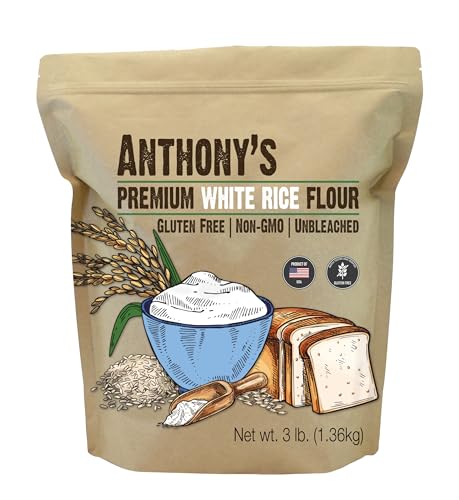
Anthony’s White Rice Flour is the most cost-effective entry point in this roundup, offering 3 pounds of finely ground, single-ingredient white rice flour. For sourdough starter feeding, white rice flour is a classic choice because it is pure starch with a neutral flavor, providing consistent, predictable fermentation without expensive blend markups. It is batch-tested and verified gluten-free.
This flour works best as a base for custom blending. Many experienced gluten-free sourdough bakers combine white rice flour with a small percentage of a protein-rich flour (like sorghum or buckwheat) or add potato starch to fine-tune the starter’s activity and the final bread’s texture. On its own, it produces a functional but slightly one-dimensional starter that may lack the depth of flavor a multi-grain blend offers.
The bag size is generous for the price, but some users note that the per-pound cost is higher than expected for a commodity flour like white rice, especially when compared to bulk bins at local grocery stores. Additionally, using this single flour exclusively can lead to a starter that is less robust than one fed with a diverse blend, as the microbial population benefits from varied carbohydrate sources.
Why it’s great
- Budget-friendly 3-pound bag for cost-conscious bakers
- Pure white rice starch provides reliable, consistent fermentation
- Fine grind integrates smoothly with water
Good to know
- Single-ingredient flour may need blending for best starter activity
- Per-pound price can be beat by local bulk options
FAQ
Can I use any gluten-free all-purpose flour to start a sourdough starter?
Does the grind fineness of the flour affect my starter’s activity?
Why do some recipes recommend blending white rice flour with brown rice flour?
Final Thoughts: The Verdict
For most users, the gluten free flour for sourdough starter winner is the Freee Plain White Flour because its no-gum, five-ingredient blend delivers the most consistent and vigorous fermentation results across all feeding schedules. If you want a no-grit texture and don’t mind xanthan gum, grab the gfJules All Purpose Flour. And for a budget-friendly, pure starch base that you can customize by blending, the Anthony’s White Rice Flour is the most practical entry-level choice.