
Alabama’s relentless sun, clay-heavy soil, and unpredictable drought patterns turn a ambitious lawn project into a survival game for any turf. The wrong seed mix will scorch, wash away in a downpour, or simply refuse to germinate in the alkaline ground, leaving you with patchy dirt and wasted weekends.
I’m Mohammad Maruf — the founder and writer behind Drink4Good. I’ve spent years dissecting seed blends, water retention coatings, and germination rates to find the mixes that actually anchor in Southern heat and humidity.
After analyzing customer trials across Alabama’s varied zones, these five contenders represent the most reliable options for building a resilient lawn. This guide cuts through the marketing to deliver your definitive grass seed for alabama.
How To Choose The Best Grass Seed For Alabama
Alabama sits in a tricky transition zone where neither pure cool-season nor pure warm-season grasses thrive year-round without intervention. The key is selecting a blend with traits that address Alabama’s specific stressors: high heat, periodic drought, and heavy clay soils that hold moisture but drain slowly.
Heat and Drought Tolerance
Look for seed mixes that explicitly list heat tolerance up to 100°F and include varieties with waxy leaf coatings or deep root systems. Tall Fescue and Texas Bluegrass are common components that handle Alabama’s summer peaks better than standard Kentucky Bluegrass alone.
Soil Compatibility and Root Depth
Alabama’s clay soil compacts easily, restricting root growth. A seed that can push roots 3 to 4 feet deep will access moisture during dry spells and anchor better during heavy rain. Avoid shallow-rooted annuals for permanent lawns.
Coverage and Germination Speed
Check the square footage coverage on the bag against your yard size. Fast germination (7–14 days) is a bonus for overseeding bare spots, but slower mixes that develop deeper roots often provide better long-term density. Plan seeding around Alabama’s optimal windows: mid-March to mid-May or late August to mid-October.
Quick Comparison
On smaller screens, swipe sideways to see the full table.
| Model | Category | Best For | Key Spec | Amazon |
|---|---|---|---|---|
| Jonathan Green Black Beauty | Cool-Season Mix | Heat & drought resistance | Roots up to 4 feet deep | Amazon |
| Scotts Kentucky 31 Mix | Tall Fescue Blend | Thicker lawn on a budget | Results in as few as 5 days | Amazon |
| Scotts Turf Builder Sunny Mix | Seed + Fertilizer | Direct sun & full coverage | Root-Building Nutrition formula | Amazon |
| Pennington Annual Ryegrass | Annual Overseed | Winter green over Bermuda | Germinates in 3–7 days | Amazon |
| Scotts Strawberry Clover | Clover Alternative | Low-maintenance nitrogen fixer | Drought-tolerant ground cover | Amazon |
In‑Depth Reviews
1. Jonathan Green Black Beauty Heat & Drought Resistant

This cool-season blend pairs Texas Bluegrass with Black Beauty tall fescues, specifically bred for climates that push past 100°F. The waxy leaf coating mimics an apple’s skin, locking in moisture and cutting evaporation — a critical feature for Alabama’s dry spells.
Customers across the transition zone report visible germination within 7 days and a dense, dark green carpet by day 14 when prepped properly. The 3-pound bag covers 750 square feet for new lawns or 1,500 for overseeding, making it a precise fit for patch repair or smaller yards.
That said, the mix is cool-season dominant, meaning it will go dormant during extreme Alabama summer heat without consistent watering. A few users noted slow germination in poorly prepared clay, reinforcing that soil aeration and topsoil are non-negotiable prerequisites.
Why it’s great
- Deep root system accesses subsoil moisture
- Waxy leaf coating reduces water loss
- Proven performance in full sun with light shade
Good to know
- Requires thorough soil prep for clay
- Cool-season profile needs fall or spring planting window
2. Scotts Kentucky 31 Grass Seed Mix
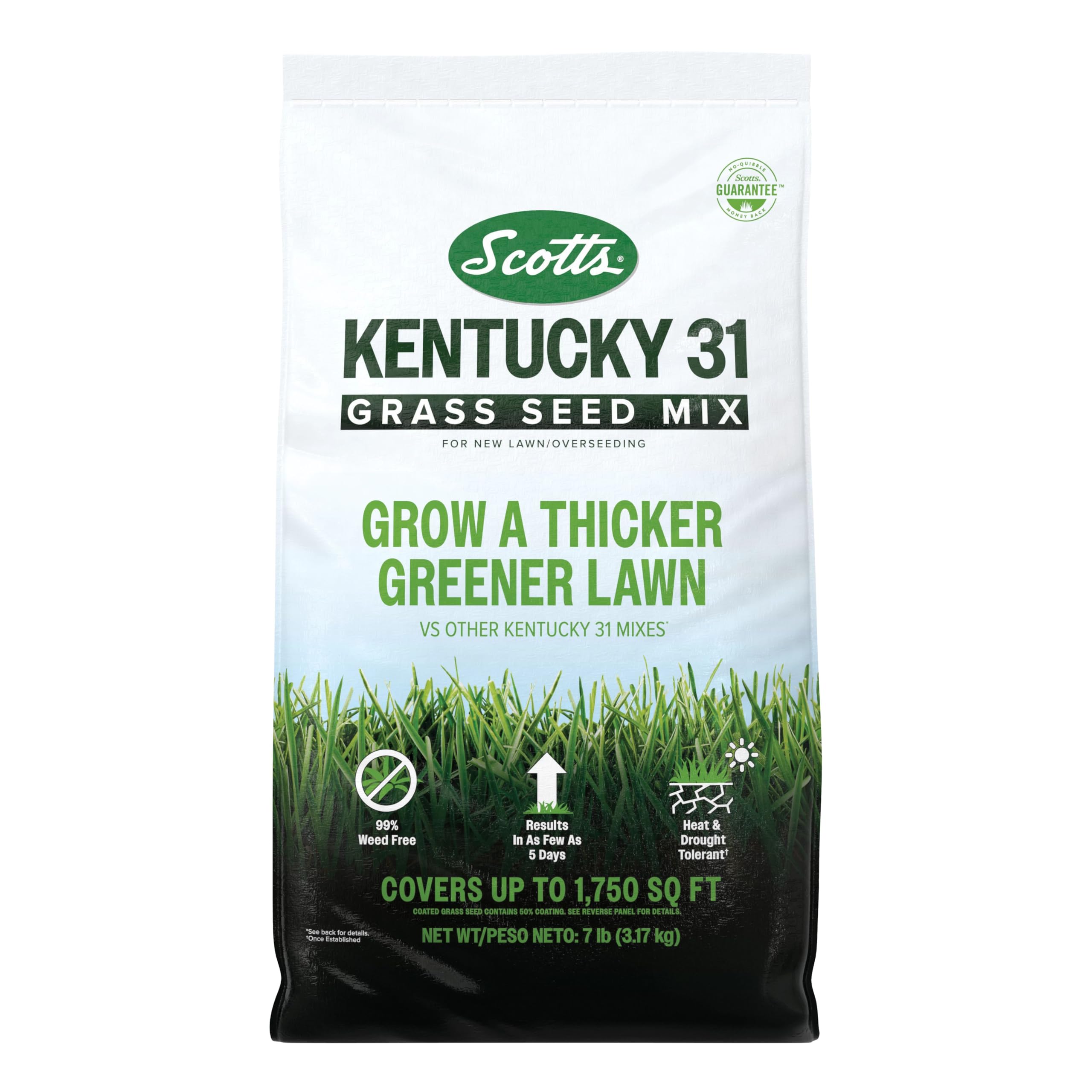
Scotts Kentucky 31 mixes premium tall fescue with annual ryegrass and the classic K-31 tall fescue for a dense, dark green lawn that handles full sun and moderate shade. The inclusion of annual ryegrass accelerates initial coverage, showing results in as few as 5 days — a significant edge for impatient Alabama homeowners.
This 7-pound bag offers substantial coverage: 580 square feet for new lawns and up to 1,750 for overseeding. Reviews highlight its ability to transform bare earth into a lush carpet within 5 weeks, even in challenging soils like those in North Florida and Virginia’s clay-heavy zones.
Some buyers reported a high percentage of coating material in the bag, reducing actual seed weight. Proper seeding rate adjustments may be necessary. The mix also requires consistent watering during establishment, and annual ryegrass in the blend will fade after one season.
Why it’s great
- Blend combines quick cover and durability
- Large bag covers significant area
- 99% weed-free guarantee
Good to know
- Coating reduces effective seed weight
- Annual ryegrass component is temporary
3. Scotts Turf Builder Grass Seed Sunny Mix
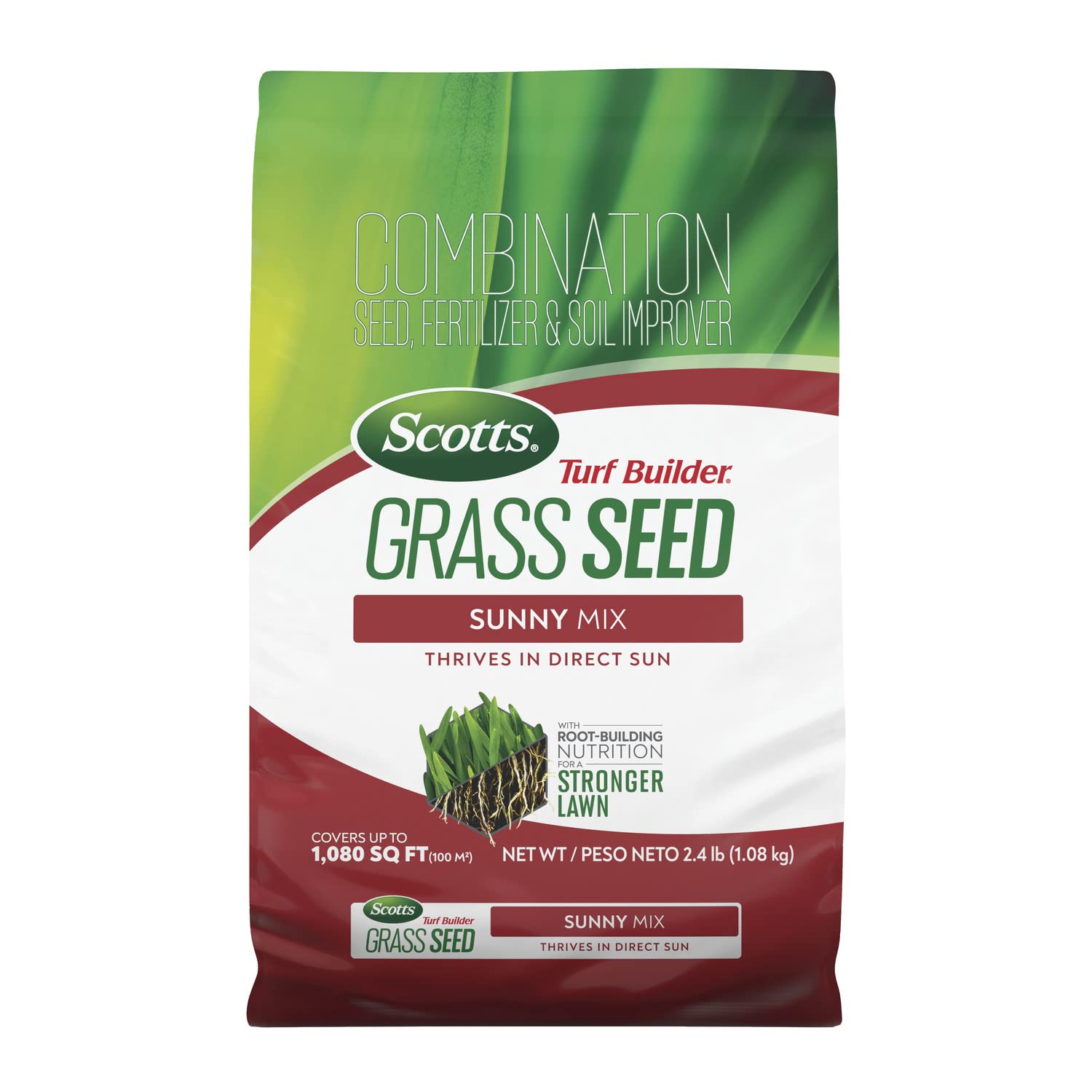
This all-in-one formulation combines seed, starter fertilizer, and soil improver into a single bag, simplifying the planting process for direct-sun areas. The Root-Building Nutrition formula is designed to establish deep roots, which helps the grass survive Alabama’s dry periods better than seed alone.
Coverage is lower than bulk mixes — 360 square feet for new lawns and 1,080 for overseeding — but the integrated fertilizer eliminates a separate step. Users report strong growth even during drought conditions, with one customer noting significant coverage of a 60×25 foot area from a single bag.
The mix is purpose-built for full sun with only light shade tolerance. It requires regular watering, and the smaller bag size means multiple bags are needed for larger projects. The fertilizer component also means you cannot adjust feeding separately from seeding rates.
Why it’s great
- All-in-one formula simplifies planting
- Root-Building Nutrition aids drought survival
- Fast growth in full sun conditions
Good to know
- Small bag requires multiple purchases for large lawns
- Not ideal for shaded areas
4. Pennington Annual Ryegrass

Annual ryegrass is Alabama’s go-to for winter overseeding, providing quick green coverage over dormant warm-season lawns like Bermuda or Zoysia. Pennington’s version germinates in as little as 3 days, with full thickness visible within a week when watered consistently.
The 10-pound bag covers up to 2,000 square feet, making it the most economical option for large-scale winter greening. It holds up well under foot traffic and resists disease, though it requires 6–8 hours of full sun daily. Customers praised its fast establishment and dark green color that persisted through southern winters.
Being an annual, it will die back in late spring as temperatures rise. It is not a permanent lawn solution — plan to reseed each fall. Some users reported it thrives from November through March but fades quickly afterward, exactly as expected for an annual overseed.
Why it’s great
- Ultra-fast germination fills bare spots quickly
- Large coverage per bag for overseeding
- Holds up well under foot traffic
Good to know
- Annual life cycle requires replanting each fall
- Needs full sun for best results
5. Scotts Strawberry Clover Seed
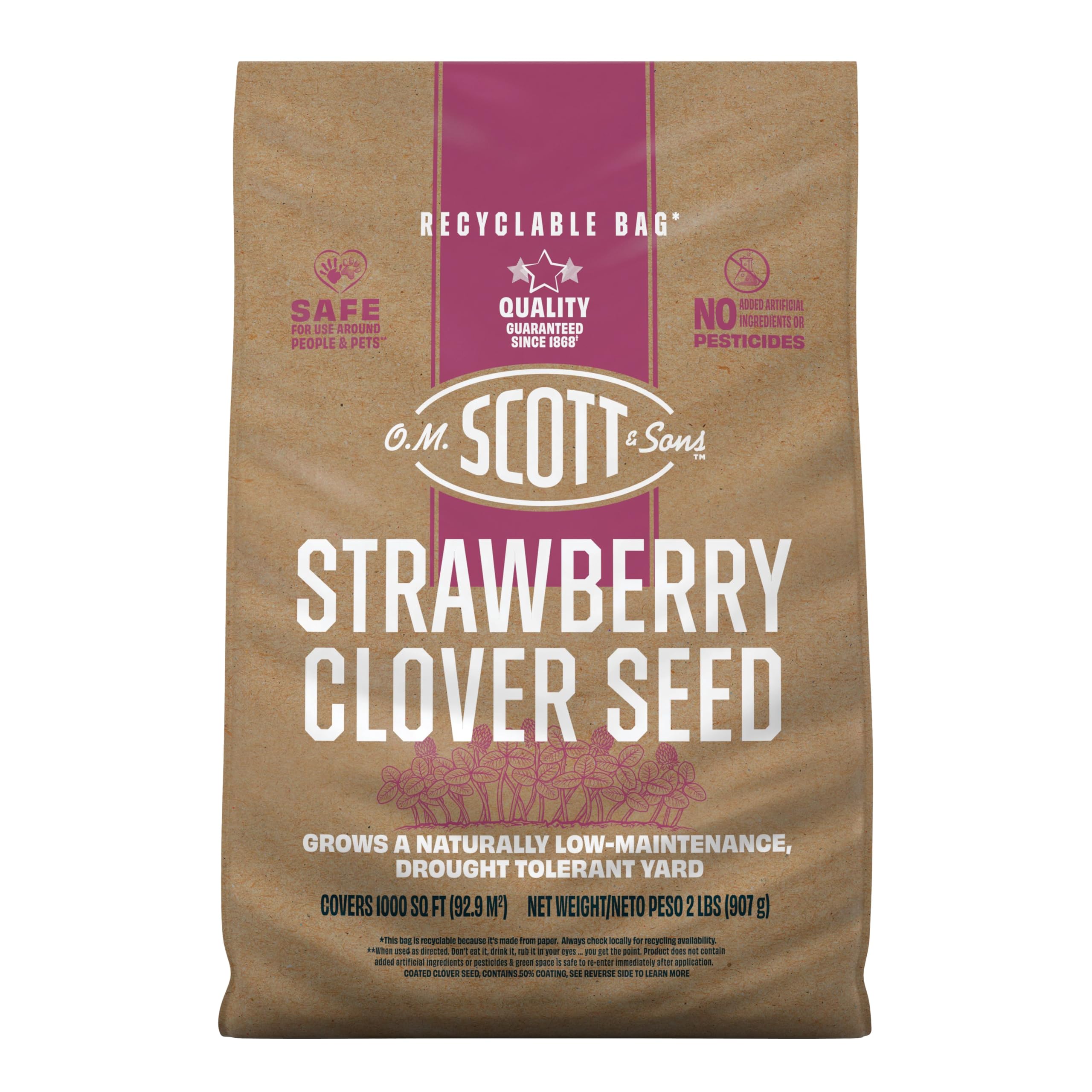
For homeowners tired of fighting Alabama’s clay soil, strawberry clover offers a low-maintenance alternative that adds nitrogen back into the ground. This clover stays greener longer during drought, requires minimal mowing, and produces small pink flowers that attract pollinators.
The 2-pound bag covers 1,000 square feet and is safe for kids and pets when used as directed. Customers report quick germination in nutrient-poor clay where turf grass struggles, with thick growth visible within weeks. It thrives in USDA zones 6A-9A, covering most of Alabama.
Clover is not traditional grass — it has a different texture and growth habit, including a mature height that can reach several inches if unmowed. It may not be suitable for homeowners seeking a uniform, manicured lawn appearance. Some users experienced patchy germination in shaded or saturated spots.
Why it’s great
- Improves soil fertility naturally
- Stays green during drought periods
- Pet-safe and pesticide-free
Good to know
- Different texture than turf grass
- May grow unevenly in shade
FAQ
What is the best time to plant grass seed in Alabama?
Will cool-season grass seed survive Alabama summers?
How do I prepare Alabama clay soil for grass seed?
Final Thoughts: The Verdict
For most users, the grass seed for alabama winner is the Jonathan Green Black Beauty because its 4-foot root system and waxy leaf coating directly target Alabama’s heat and drought challenges. If you want a budget-friendly blend that thickens fast, grab the Scotts Kentucky 31 Mix. And for a low-maintenance, nitrogen-fixing ground cover that thrives where turf struggles, nothing beats the Scotts Strawberry Clover.