
Growing a thick, green lawn in Louisiana means fighting heat, humidity, and the wrong seed choice. The climate demands warm-season grasses that handle full sun, resist disease in wet soil, and survive the transition into milder winters. Most generic seed mixes fail here because they lack the heat tolerance or drought resistance that southern lawns require.
I’m Mohammad Maruf — the founder and writer behind Drink4Good. I analyze soil temperature maps, germination rates, and species compatibility to recommend turfgrass that actually thrives in the Gulf South.
This guide breaks down the best options for overseeding, full-sun spots, and low-maintenance yards. Whether you need dense coverage or a wear-resistant surface, the right grass seed for louisiana starts with matching the species to your specific growing conditions.
How To Choose The Best Grass Seed For Louisiana
Louisiana sits in the transitional warm-season zone, meaning perennial ryegrass and Kentucky bluegrass struggle through summer. The ideal seed must tolerate high humidity, resist fungal pressure, and maintain density during drought stretches. Focus on species proven in USDA zones 8 and 9.
Match the species to your sunlight
Full-sun yards benefit most from Bermuda grass because it spreads aggressively and handles heavy foot traffic. Centipede grass tolerates partial shade and acidic soil, making it a strong choice for yards with oak or pine cover. Tall fescue blends work in moderate shade but require more water to survive July heat.
Consider germination speed and season
Annual ryegrass germinates in under a week, offering quick winter color over dormant Bermuda lawns. Centipede and Bermuda take longer to establish but return year after year without replanting. Check the seed coating — some brands include a nutrient layer that improves moisture retention during Louisiana’s sporadic spring rains.
Examine wear tolerance and mowing height
If your lawn sees kids or pets, choose Bermuda or a dense tall fescue blend that recovers from traffic. Centipede demands less mowing and fertilizer, suiting a low-maintenance approach. Avoid fine fescues in high-traffic areas — they mat down and struggle to recover in humid conditions.
Quick Comparison
On smaller screens, swipe sideways to see the full table.
| Model | Category | Best For | Key Spec | Amazon |
|---|---|---|---|---|
| Scotts Kentucky 31 Mix | Tall Fescue Blend | Full sun, moderate shade | 99% weed free, 5‑day germination | Amazon |
| Pennington Annual Ryegrass | Annual Ryegrass | Winter overseeding | Covers 2,000 sq. ft., 3‑7 day sprout | Amazon |
| Scotts Turf Builder Sunny Mix | Fescue Blend | Full sun, light shade | Root‑building fertilizer included | Amazon |
| Pennington Bermudagrass | Bermuda | High traffic, drought | Cold‑tolerant varieties, Penkoted | Amazon |
| Gulfkist Centipede Grass | Centipede | Low maintenance, shade | Coated seeds, year‑round green | Amazon |
In‑Depth Reviews
1. Scotts Kentucky 31 Grass Seed Mix
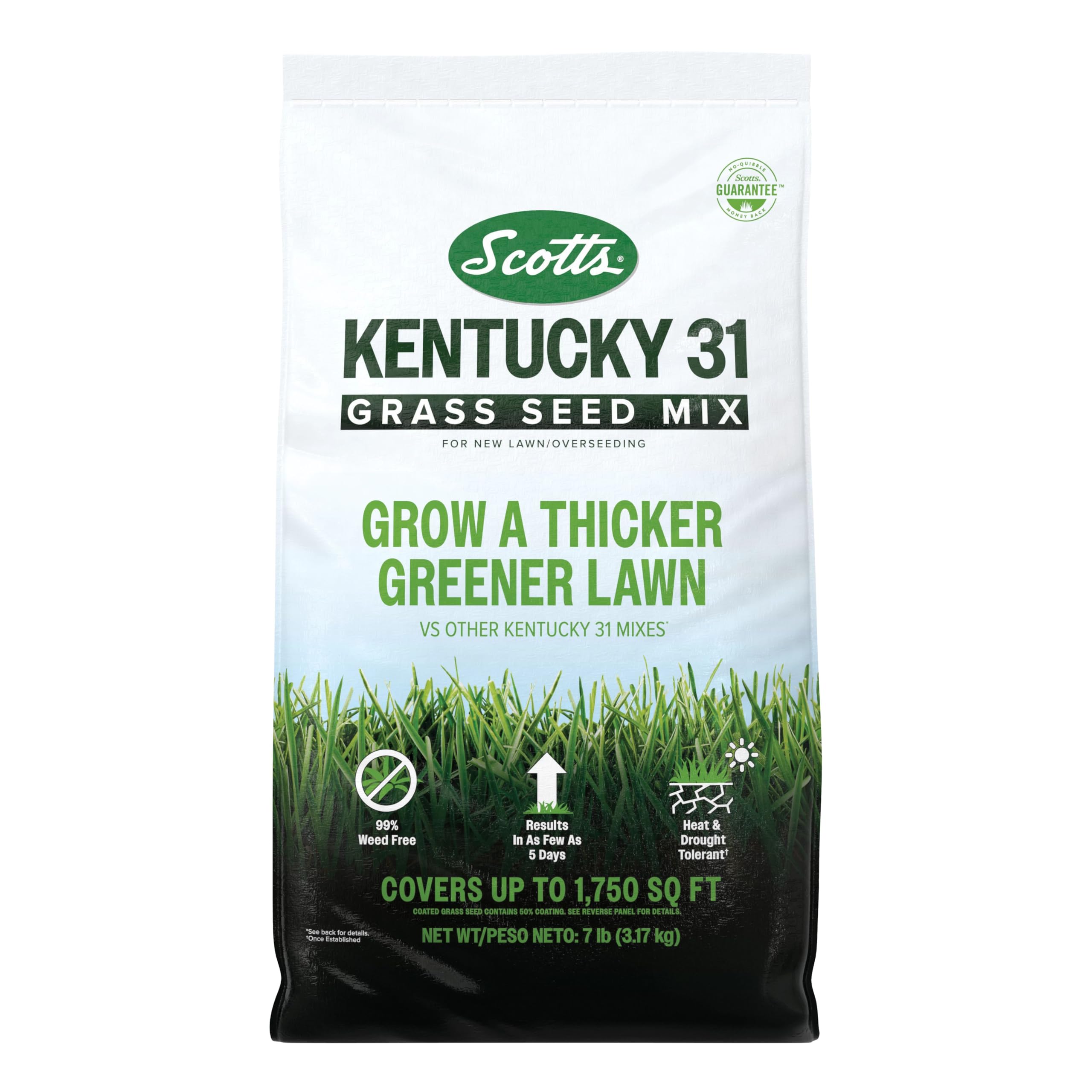
Scotts Kentucky 31 Mix combines premium tall fescue with annual ryegrass for quick establishment and deep root structure. The blend is 99% weed free, which matters when overseeding bare spots that often trap crabgrass. Tall fescue’s natural heat and drought tolerance makes this a reliable choice for Louisiana’s full-sun lawns that bake through July.
Results appear in as few as five days, and the thick turf holds up well under moderate foot traffic. The mix handles both full sun and moderate shade, so it works on properties with scattered tree cover. Overseeding coverage reaches 1,750 square feet per bag, giving good value for medium-sized yards.
Some users note that the seed coating can reduce effective seed weight — careful soil prep and consistent watering improve germination rates. The blend is best planted in spring or fall when daily temperatures stay between 65°F and 85°F, which aligns well with Louisiana’s growing windows.
Why it’s great
- Fast germination in warm weather
- Drought and heat tolerant once established
- Works in both sun and partial shade
Good to know
- Some bags have heavy coating that reduces actual seed weight
- Needs consistent moisture during first two weeks
2. Pennington Annual Ryegrass Grass Seed

Pennington Annual Ryegrass is the go-to seed for turning a dormant Bermuda lawn green throughout the cooler months. It germinates in three to seven days, providing rapid winter color that holds up well under foot traffic. The seed is disease resistant and grows across all U.S. zones, making it a safe bet for Louisiana’s variable winter temperatures.
Coverage tops 2,000 square feet per 10‑pound bag, making it one of the most economical options for large-scale overseeding. The grass reaches deep green quickly and stays vibrant through March, though it will die back as summer heat returns. This is a temporary solution — plan to reseed each fall for consistent winter color.
Users report visible growth within two days with proper watering. The annual lifecycle means you cannot rely on it for permanent coverage, but for seasonal aesthetic and erosion control, it delivers reliably. Moderate watering and six to eight hours of sun per day produce the best results.
Why it’s great
- Extremely fast germination
- Affordable per square foot coverage
- Disease resistant and traffic tolerant
Good to know
- Annual grass that dies in summer heat
- Must be overseeded each fall for repeat color
3. Scotts Turf Builder Grass Seed Sunny Mix
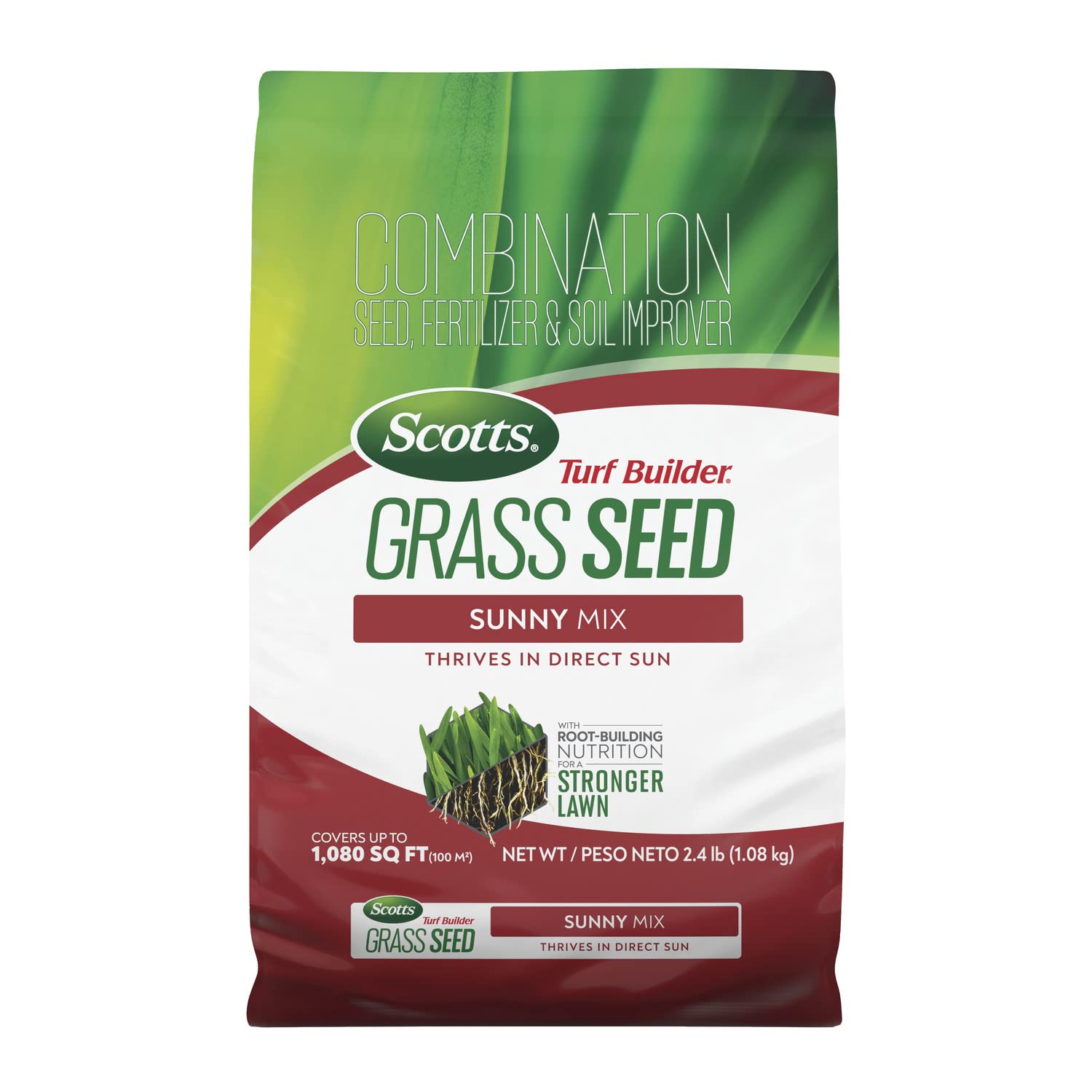
Scotts Turf Builder Sunny Mix combines seed, fertilizer, and soil improver into a single product. The root-building nutrition formula helps seedlings establish deeper root systems, which is critical for surviving Louisiana’s dry spells. It thrives in full sun and light shade, with medium to high drought resistance that reduces watering frequency once the lawn matures.
This mix is best for spring or fall planting — the same windows as standard fescue blends. The 2.4‑pound bag covers 1,080 square feet for overseeding, though the integrated fertilizer means you do not need to apply starter fertilizer separately. This simplifies the process for homeowners who want one-and-done lawn care.
Real-world reports show strong growth even during drought conditions. Some users note that full coverage takes about three months on heavily compacted soil, so patience and regular watering pay off. The blend is less aggressive than Bermuda in spreading, so patch repair may require a second application.
Why it’s great
- All-in-one seed, fertilizer, soil improver
- Good drought resistance for fescue
- Simple application with no extra fertilizer step
Good to know
- Slower to fill in on poor soil
- Smaller bag size limits large yard coverage
4. Pennington Bermudagrass Grass Seed

Pennington Bermudagrass delivers a thick, self-spreading turf that stands up to intense foot traffic and drought. It includes cold-tolerant varieties that survive mild Louisiana winters better than standard Bermuda. The deep root system makes it naturally more drought tolerant than fescue or ryegrass, which matters during August when water restrictions often kick in.
This warm-season grass goes dormant and turns brown in winter, but returns each spring without reseeding. Pennington’s exclusive Penkoted technology coats each seed to improve germination consistency in varying soil temperatures. The low-growing habit produces fewer clippings, reducing mowing frequency compared to tall fescue blends.
Some users report slow germination, especially if soil temperatures dip below 70°F. The tiny seeds require careful spreading to avoid clumping, and consistent moisture for the first two weeks is non-negotiable. Once established, it forms a dense mat that chokes out weeds and recovers well from wear.
Why it’s great
- Superior wear and drought tolerance
- Self-spreading for natural fill-in
- Penkoted coating aids germination
Good to know
- Goes dormant and brown in winter
- Requires soil temps above 70°F for best results
5. Gulfkist Centipede Grass Seed

Gulfkist Centipede Grass Seed is formulated for the Southeast, tolerating full sun, partial shade, and acidic soil that matches Louisiana’s piney woods regions. The coated seeds protect against drying without adding a heavy mulch layer, and germination occurs in 7 to 14 days when soil stays consistently moist. Centipede grass requires only two fertilizer applications per year, saving significant time and money over St. Augustine or Bermuda lawns.
This grass stays green year-round in mild climates, unlike Bermuda that goes dormant. It grows slowly, which reduces mowing frequency, and tolerates moderate foot traffic without thinning. For homeowners who want a carpet-like lawn without weekly maintenance, centipede is the clear winner.
Some users report spotty germination if heavy rain washes the seed before roots anchor. One pound covers about 4,000 square feet, but for thick coverage on bare dirt, double the rate. The seed works best on sandy or loamy soil, so heavy clay may require amendments before planting.
Why it’s great
- Very low fertilizer and mowing needs
- Year-round green color in mild winters
- Tolerates acidic soil and partial shade
Good to know
- Slow to establish from seed
- Heavy rain can wash seed before germination
FAQ
Can I plant Bermuda grass seed in Louisiana’s clay soil?
How often should I water new grass seed in Louisiana?
When is the best time to plant grass seed in Louisiana?
Final Thoughts: The Verdict
For most users, the grass seed for louisiana winner is the Scotts Kentucky 31 Mix because its tall fescue blend handles full sun and moderate shade while germinating fast enough to outcompete weeds. If you want a permanent warm-season lawn that shrugs off drought and traffic, grab the Pennington Bermudagrass. And for low-maintenance owners who want green year-round with minimal fertilizing, nothing beats the Gulfkist Centipede Grass Seed.