
Squatting in squishy running shoes robs you of power transfer and stability. A rigid, flat platform or a prescribed heel elevation is the difference between grinding out a new personal record and feeling your ankles cave under load. The right pair locks your feet to the floor, improves your alignment, and lets you push through your heels with zero energy wasted on wobbling.
I’m Mohammad Maruf — the founder and writer behind Drink4Good. This guide represents weeks of cross-referencing real user feedback, sole rigidity, heel height data, and lace-up security across nine distinct models to identify the best options for anyone serious about putting weight on the bar.
Whether you are a powerlifter chasing a heavier deadlift, an Olympic lifter drilling the clean and jerk, or a general gym-goer wanting better squat mechanics, the right gym shoes for lifting will transform how you feel under a barbell.
How To Choose The Best Gym Shoes For Lifting
Lifting shoes are not a one-size-fits-all category. Your choice should match your primary movement pattern — squat-dominant, Olympic, or powerlifting — and your personal ankle mobility. Ignoring the relationship between heel height, sole density, and foot shape is the fastest way to waste money on a shoe that feels wrong under a barbell.
Heel Height and Ankle Mobility
A raised heel — typically between 0.6 and 0.75 inches — shifts your torso forward, allowing a deeper squat with less ankle dorsiflexion. Lifters with limited ankle range of motion benefit most from a higher heel, while those with excellent mobility may prefer a flatter platform for deadlifting or pressing.
Sole Rigidity and Ground Feel
The sole must resist compression under load. A soft midsole absorbs force that should transfer directly into the floor. Look for a dense EVA or wooden heel block that provides a non-compressible platform. This stability is non-negotiable for heavy squats and Olympic lifts where any energy leak reduces bar speed.
Width and Foot Lockdown
Wide feet need a generous toe box to prevent numbness and allow natural splay. The lacing system should distribute tension evenly, and a Velcro strap over the midfoot is the gold standard for locking the heel in place. Slippage inside the shoe under 400-plus pounds leads to lost balance and potential injury.
Quick Comparison
On smaller screens, swipe sideways to see the full table.
| Model | Category | Best For | Key Spec | Amazon |
|---|---|---|---|---|
| Nike Metcon 10 | Hybrid Trainer | CrossFit & Daily Gym | Flat, stable heel with Rope Wrap | Amazon |
| Otomix Carbonite Ultimate Trainer | Flat Sole | Heavy Deadlifts & HIIT | Zero-elevation non-slip rubber sole | Amazon |
| Reebok Legacy Lifter | Raised Heel | Olympic Lifting & Deep Squats | Trapezoidal heel, 0.75″ elevation | Amazon |
| Adidas Powerlift 5 | Raised Heel | Beginner Squat & Moderate Heel Need | Low-profile 0.6″ heel wedge | Amazon |
| Inov-8 Fastlift 360 | Raised Heel | Wide Feet & Olympic Lifts | Rope-ready Powerheel, wide fit option | Amazon |
| Reebok Nano X5 | Hybrid Trainer | General Gym & Light Cardio | Flat, flexible non-compressible sole | Amazon |
| Under Armour Tribase Reign 6 | Hybrid Trainer | Wide Feet & CrossFit | TriBase outsole for ground contact | Amazon |
| Nordic Lifting VENJA | Raised Heel | Budget Squat Performance | Wooden heel, 0.75″ elevation | Amazon |
| Adidas Powerlift 5 (2024 Ver.) | Raised Heel | Compact Budget Squat Shoe | Low-profile 0.6″ heel wedge | Amazon |
In‑Depth Reviews
1. Nike Mens Metcon 10
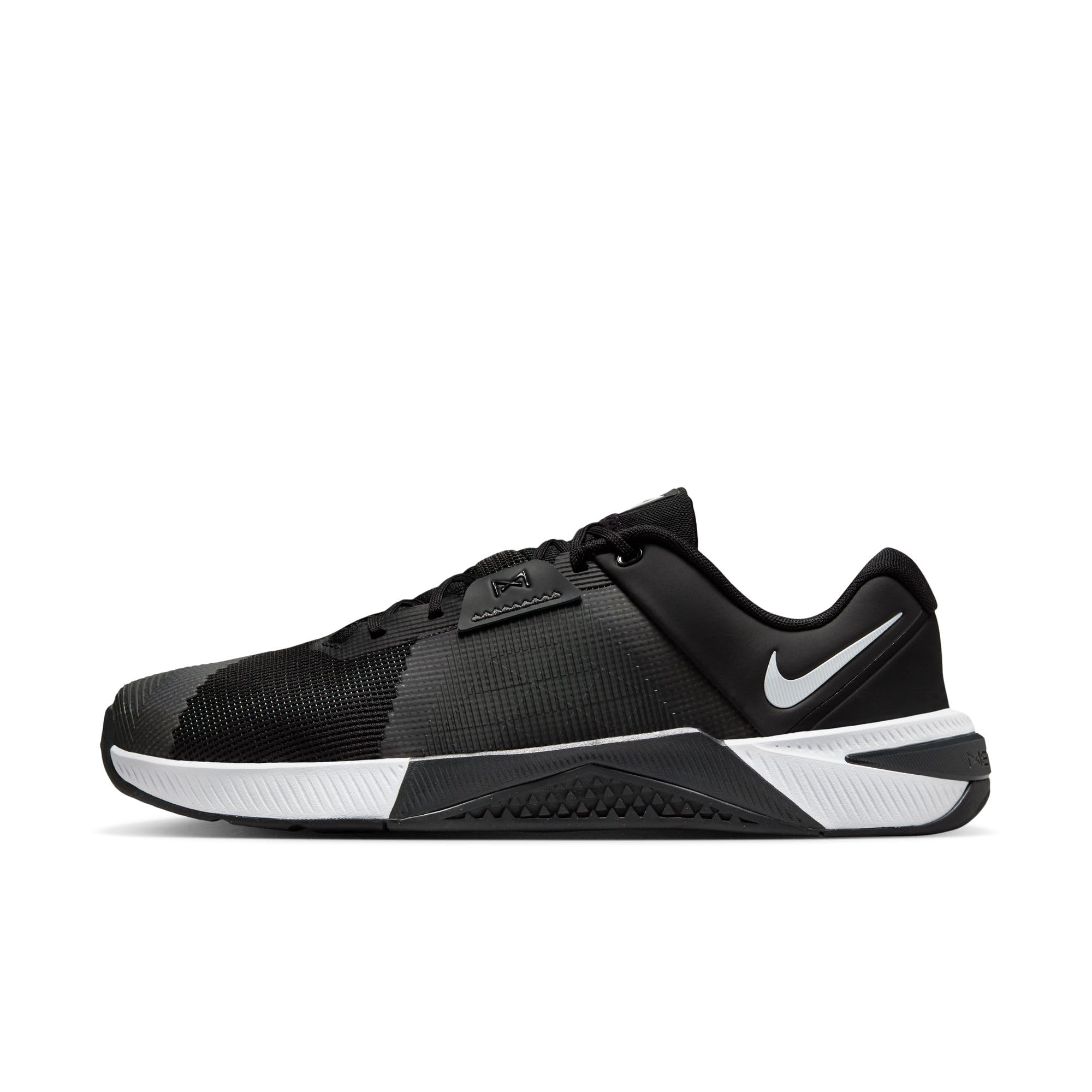
The Metcon 10 is the benchmark hybrid trainer that balances a flat, stable platform with enough versatility for rope climbs and box jumps. Its reinforced midsole resists compression during heavy squats while the rubber outsole wraps up the side for aggressive rope grip without wearing through the upper. The lace-lock system keeps the foot from sliding forward during explosive movements.
Testers consistently report a locked-in heel and a wide enough forefoot for natural toe splay, though the toe box is not as accommodating as dedicated wide-fit models. The cushioning under the forefoot is firm — intentional for lifting — but still allows short runs and dynamic warm-ups without feeling like a plank. The build quality feels premium, with the rope wrap adding noticeable durability in high-friction areas.
If you want a single shoe that handles squats, deadlifts, and Metcon-style workouts without compromise, the Metcon 10 earns its reputation. The main trade-off is a narrower fit for lifters with broad feet, and the premium price is justified by the materials and design refinement. It is a true do-everything training shoe for the serious lifter.
Why it’s great
- Flat, non-compressible sole ideal for heavy lifts
- Rope wrap midsole extends durability for climbing drills
- Excellent heel lockdown with lace-lock system
Good to know
- Narrow toe box may not suit wide feet
- Not designed for long-distance or cushioned running
2. Reebok Womens Legacylifter

The Legacy Lifter is a dedicated Olympic lifting shoe with a pronounced 0.75-inch trapezoidal heel that locks your knees behind your toes for a more upright squat position. The heel is wide and stable, providing an uncompromising platform for snatches, cleans, and front squats where balance is critical. The vegan leather upper wraps the foot securely, and the dual-strap system over the midfoot eliminates any heel lift.
Lifters with wider feet have reported that the toebox comfortably accommodates their shape without pinching, a significant advantage over many narrower lifting shoes. The outsole uses a durable rubber compound that grips gym flooring tenaciously. The shoe is not meant for walking or jumping — it is a pure lifting instrument that excels under maximal loads.
The only real downside is the limited versatility: you would not wear these for deadlifts where a flat sole is preferred, and the rigid sole feels awkward for any dynamic warm-up. For dedicated Olympic lifters or anyone who prioritizes squat depth, the Legacy Lifter provides the most stable foundation in its class.
Why it’s great
- Generous toe box for wide feet
- High 0.75″ heel improves ankle mobility
- Dual Velcro straps lock the foot securely
Good to know
- Not for deadlifts or walking
- Premium pricing reflects specialized design
3. Otomix Mens Carbonite Ultimate Trainer

The Otomix Carbonite is a flat-sole specialist built for lifters who prioritize ground feel during deadlifts and squats. Its zero-elevation rubber outsole is thin and non-compressible, giving you maximum sensory feedback from the floor. The padded tongue and collar provide surprising all-day comfort, making them viable for HIIT circuits and treadmill work without needing to switch shoes.
Long-term users praise the construction, with some reporting seven years of use before needing a replacement. The fit runs small — sizing up half a number is a consistent recommendation. The lace-up system offers adjustable lockdown, though there is no secondary strap, so midfoot security relies entirely on lacing tension. The durable outsole shows minimal wear even with regular platform use.
This shoe is not designed for Olympic lifting with heavy heel elevation. If you prefer a flat, stable base for pulling from the floor or squatting with great ankle mobility, the Carbonite delivers unmatched durability and a wide fit that accommodates broader foot shapes.
Why it’s great
- Zero-drop sole for direct ground contact
- Extremely durable construction
- Comfortable enough for all-day gym wear
Good to know
- Runs half size small; size up
- No midfoot strap for added lockdown
4. Inov-8 Mens Fastlift 360
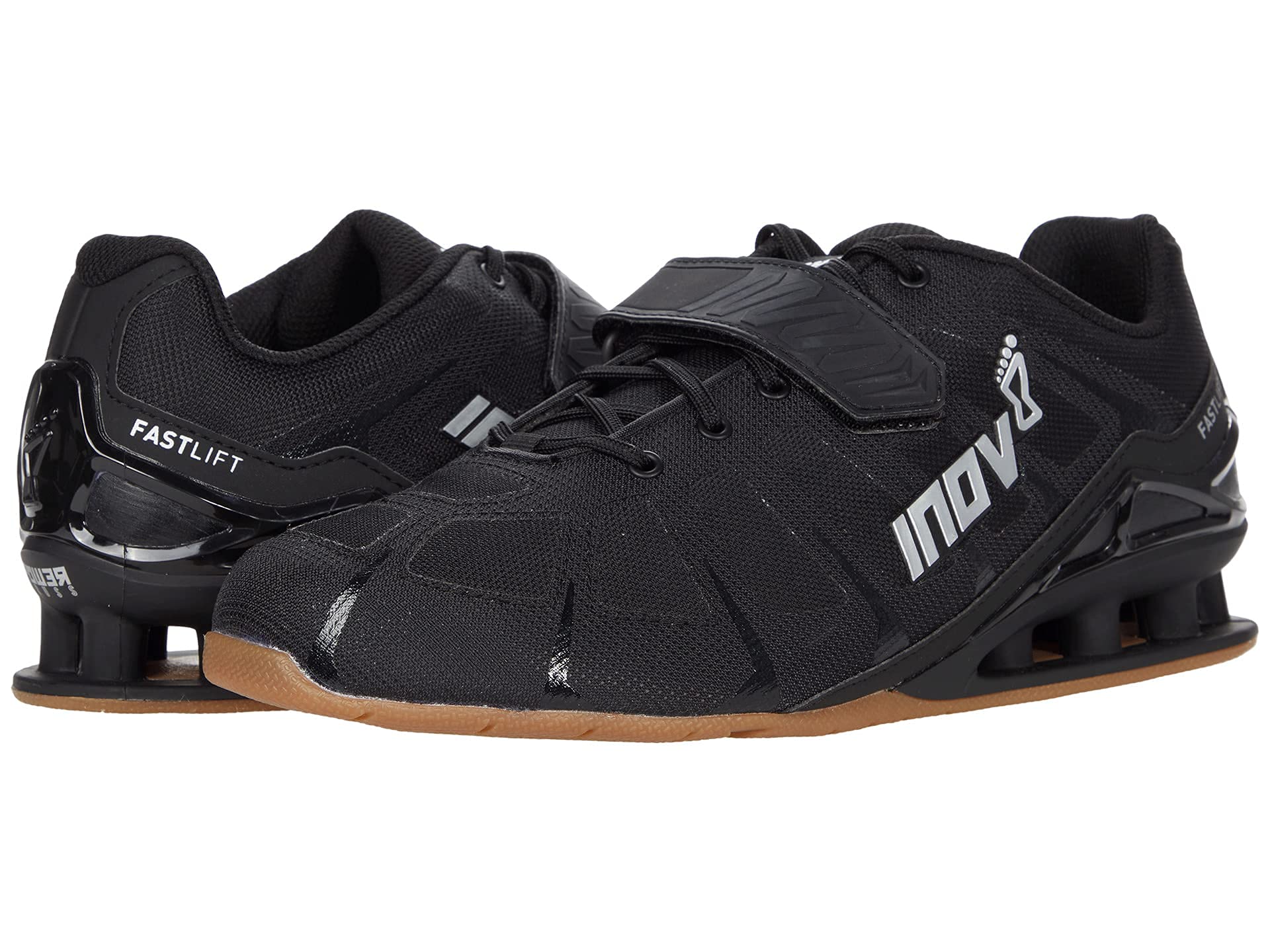
The Fastlift 360 combines a moderate raised heel with a surprisingly roomy toe box, making it one of the few dedicated lifting shoes that genuinely fits wide feet. The Powerheel platform is rigid and provides a stable base for snatches and cleans, while the integrated rope guard protects the upper during climbing movements. The single Velcro strap across the midfoot works well to lock the heel in place.
Lifters who need extra heel elevation for ankle mobility will appreciate the 0.6-inch rise that eliminates the need for plates under the heels. The construction feels robust, with the outsole showing good grip on standard gym flooring. Sizing requires attention — many users recommend going up a full size to avoid tightness across the midfoot.
The Fastlift 360 is not an ideal choice for pure deadlifting due to its slight heel, and the aggressive fit may feel restrictive for very wide feet despite the generous toe box. As a dedicated squat and Oly shoe that accommodates wider foot shapes, it is a standout option in the mid-premium segment.
Why it’s great
- Wide toe box for natural foot splay
- Rigid Powerheel improves squat depth
- Rope guard adds durability for climbing
Good to know
- Size up for wider feet
- Not suitable for flat-surface deadlifting
5. Reebok Nano X5
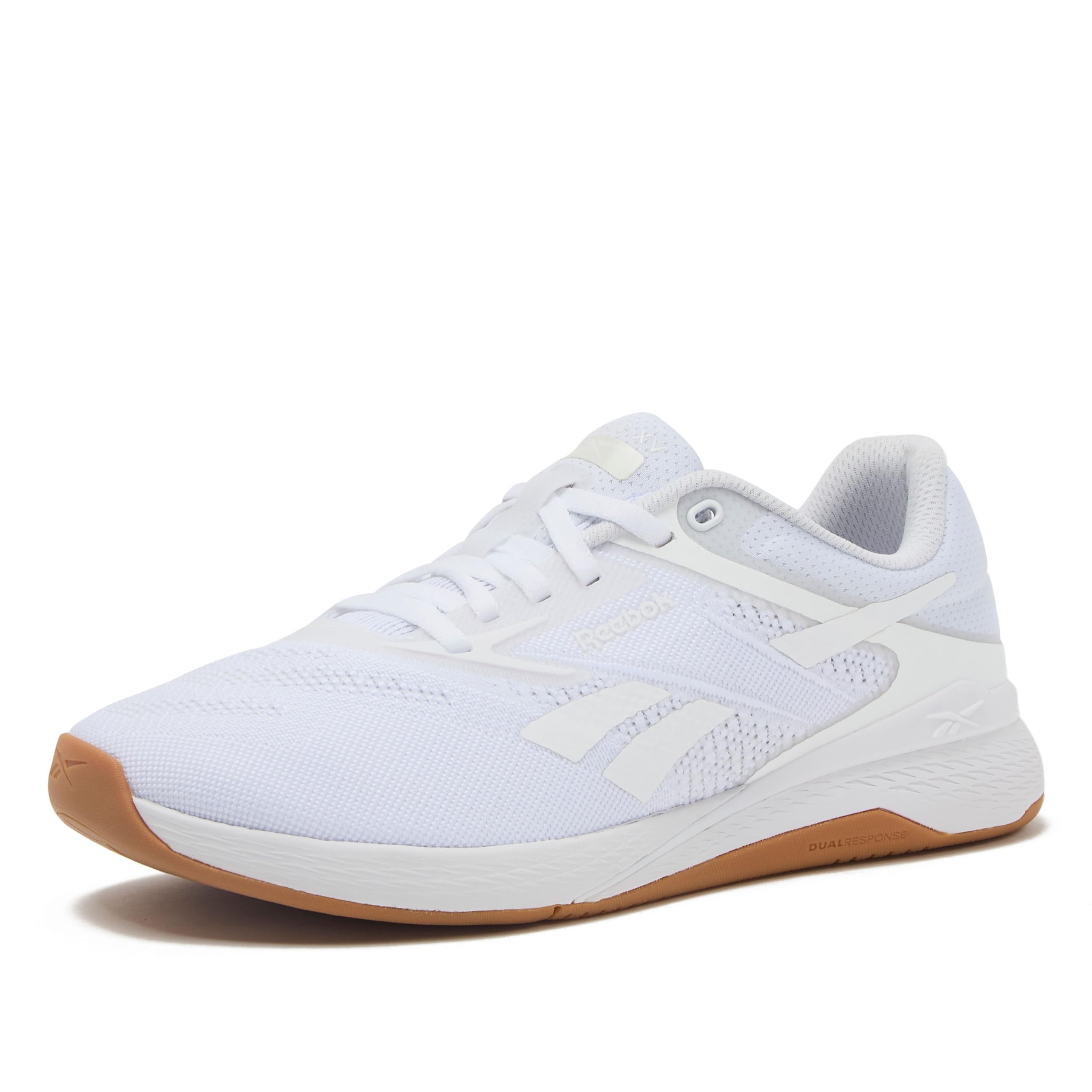
The Nano X5 continues the Reebok legacy of versatile cross-training shoes with a flat, non-flexing sole that eliminates the rocking sensation found in running shoes. The outsole is made of a dense rubber compound that provides solid grip for squats, deadlifts, and HIIT movements. The fit is on the roomier side, making it a comfortable option for lifters with wider forefeet or those who wear orthotics.
Users transitioning from running shoes to dedicated lifting footwear will appreciate how the Nano X5 stabilizes split squats and lunges. The cushioning under the heel is firm enough for lifting but offers a slight flex for treadmill sprints and agility drills. The lace-up system secures the foot adequately, though some may wish for a secondary strap for extra lockdown.
The main consideration is that the roomy fit may feel loose for those with narrow feet, and the flat sole is less ideal for lifters who need a raised heel for ankle mobility. As an all-around gym shoe that bridges lifting and cardio, the Nano X5 offers strong value in the mid-range.
Why it’s great
- Flat, stable sole for primary lifts
- Roomy fit works for wide feet and orthotics
- Versatile for cardio and strength work
Good to know
- Too loose for narrow feet
- No raised heel for limited ankle mobility
6. Under Armour Men’s TriBase Reign 6 Trainer
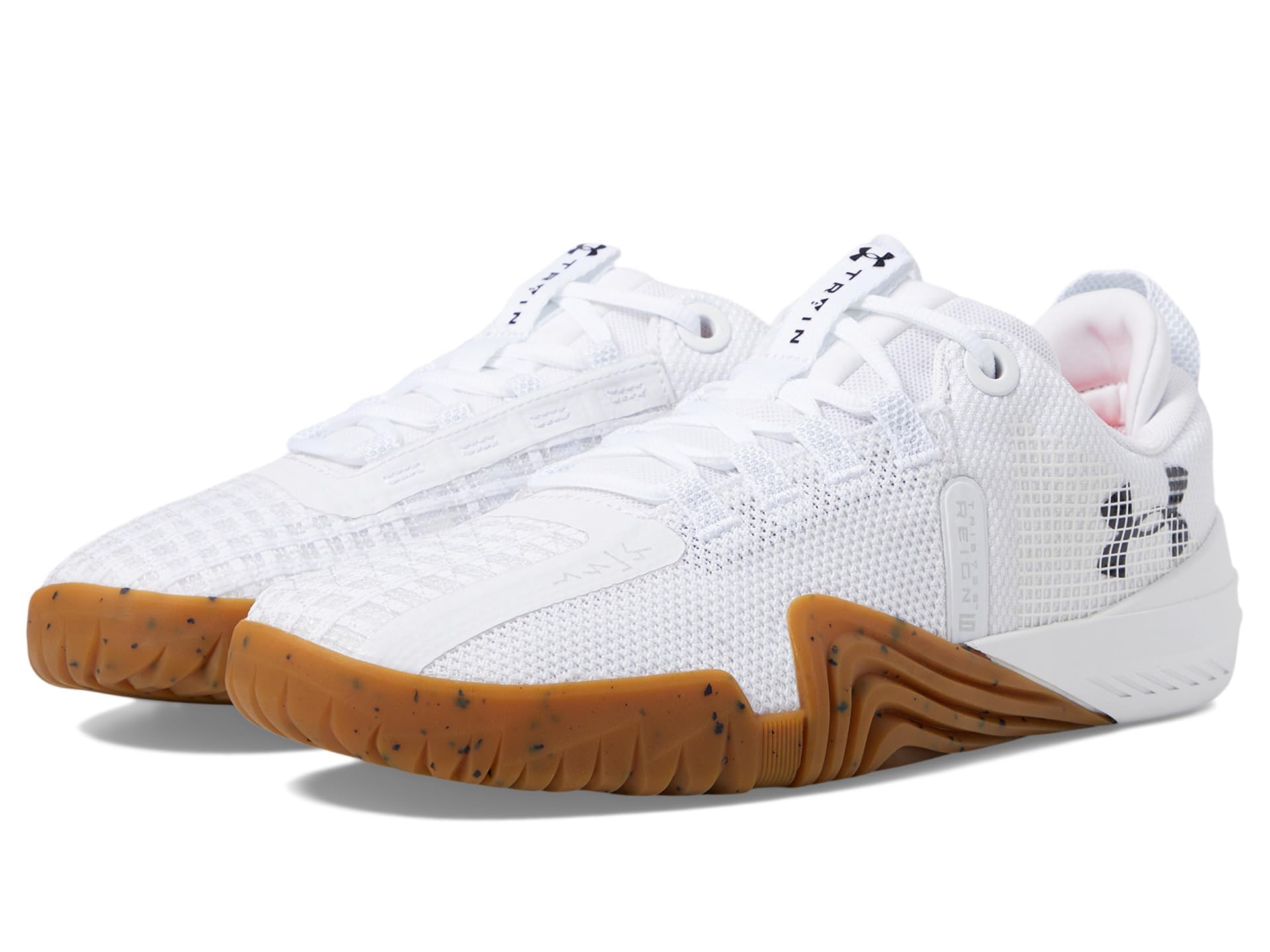
The Tribase Reign 6 is designed with a wide TriBase outsole that increases surface contact for enhanced stability during lifts. The sole is moderately firm — enough for respectable squat and deadlift performance without the rigidity of a dedicated lifting shoe. The upper uses a breathable mesh with strategic overlays for durability, and the lace-up system allows for a customizable fit across the midfoot.
Lifters with wide, flat feet have reported excellent comfort, noting that the toe box avoids the pinching common in narrower trainers. The cushioning underfoot is sufficient for short runs and HIIT sessions while still providing good ground feel for strength work. The construction feels solid, with the outsole showing minimal wear after months of use.
The trade-off is that the Reign 6 lacks the heel elevation that dedicated squat shoes provide, and the flexibility in the forefoot may not suit lifters who need total rigidity for maximal loads. As a hybrid trainer that works well for both lifting and conditioning, it is a strong value pick.
Why it’s great
- Wide outsole improves stability
- Comfortable for flat, wide feet
- Good versatility for lifting and cardio
Good to know
- No raised heel for ankle mobility
- Forefoot flex may feel soft for max lifts
7. Adidas Unisex-Adult Powerlift 5
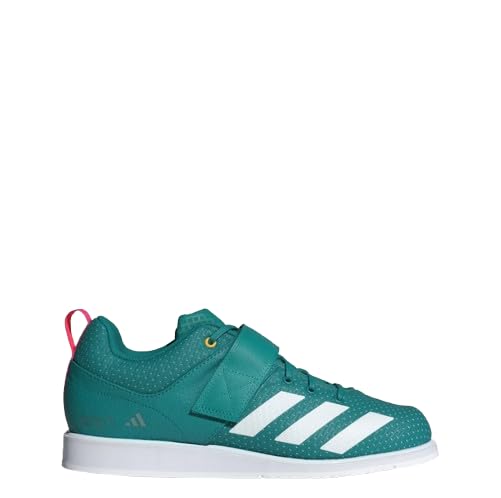
The Powerlift 5 is Adidas’ entry-level weightlifting shoe that provides a low 0.6-inch heel for lifters who need some elevation without the aggressive angle of higher-end models. The sole is made of a dense EVA material that resists compression well, and the single Velcro strap across the instep helps lock the foot down. The upper uses a lightweight textile that keeps the shoe feeling less bulky than its competitors.
Reviewers consistently mention that the Powerlift 5 improved their squat depth and form, particularly for those who had been using running shoes. The fit is on the snug side, especially in the toe box, meaning lifters with wide feet may want to size up. The outsole uses a textured rubber that grips gym floors effectively.
The lower heel height makes the Powerlift 5 less suitable for Olympic lifts that benefit from a steeper angle, but it is an excellent starting point for beginners focusing on squats. The value proposition is strong, with many users noting it provides 80 percent of the performance of premium models at a lower investment.
Why it’s great
- Low heel improves squat form for beginners
- Good stability for the price point
- Lightweight and less bulky build
Good to know
- Snug toe box; not ideal for wide feet
- Lower heel less effective for Olympic lifts
8. Nordic Lifting VENJA

The VENJA by Nordic Lifting is a budget-oriented weightlifting shoe that features a wooden heel block for non-compressible stability. With a heel height of approximately 0.75 inches, it competes directly with premium models in terms of squat mechanics. The upper is made of a synthetic leather with a textile lining, and the dual-strap system secures the foot effectively across the midfoot and instep.
User reviews highlight that the VENJA provides excellent stability for squats and overhead presses, with many comparing its performance favorably to the Adidas Powerlift line. The fit is noted as true to size with a generous toe box that accommodates wider feet. The outsole uses a textured rubber that grips well on standard gym floors.
The main compromise is in the materials — the synthetic upper is less breathable and durable than leather alternatives, and the stitching may show wear with heavy use. As an entry-level dedicated lifting shoe, the VENJA delivers impressive performance for the investment, making it an ideal starting point for new lifters.
Why it’s great
- Wooden heel block for uncompromising stability
- Generous toe box for wider feet
- Dual-strap system for secure lockdown
Good to know
- Synthetic upper less durable than leather
- Limited breathability for long sessions
9. Adidas Unisex Adult Powerlift 5 (2024 Version)
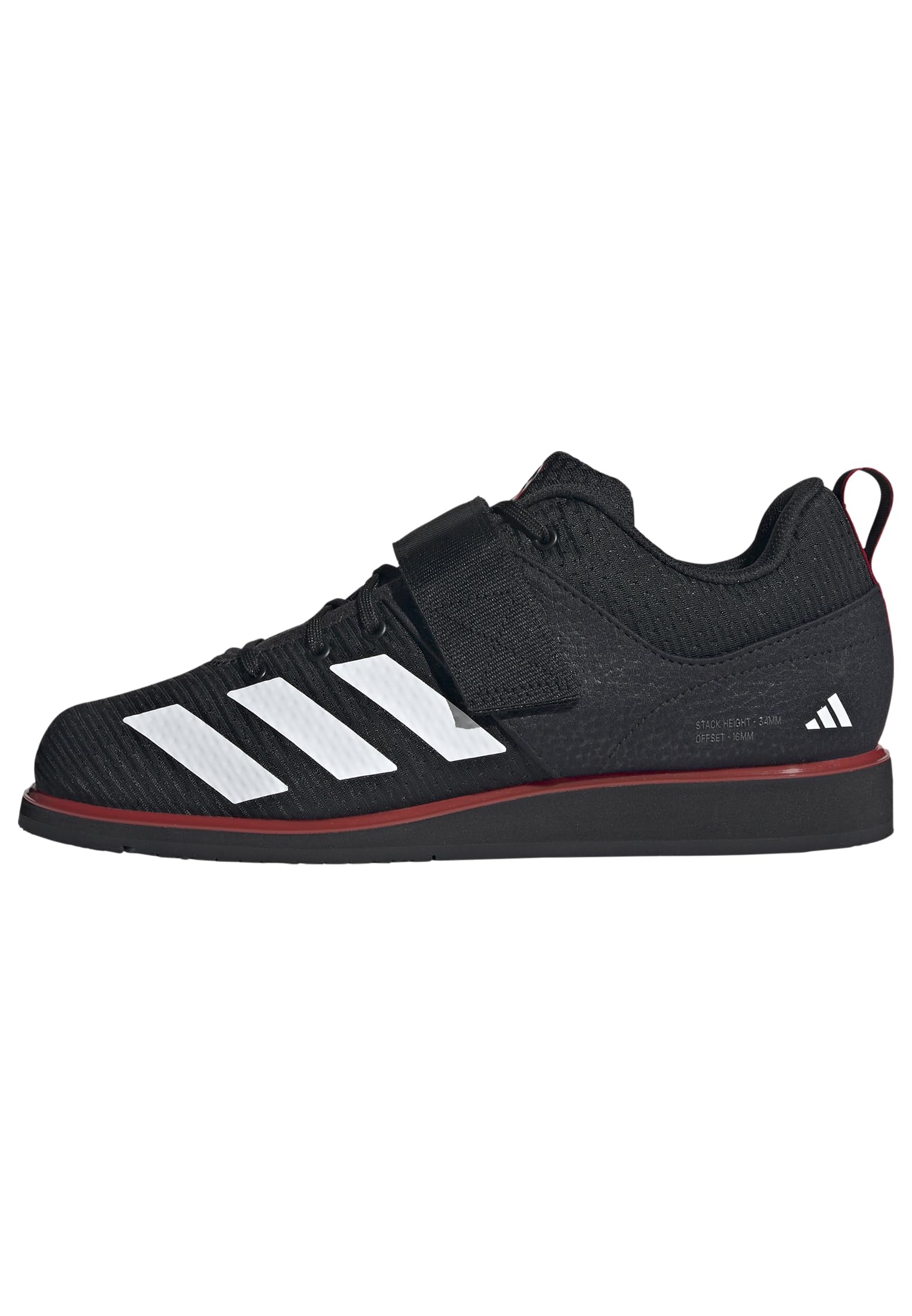
This iteration of the Powerlift 5 retains the same low 0.6-inch heel and EVA midsole but comes in a visually refreshed design. The single-strap system over the midfoot combined with standard lacing provides adequate lockdown for most lifters. The upper is made of a lightweight textile that helps reduce overall shoe weight, making it easier to wear for longer sessions.
Users who found the toe box restrictive will still need to size up, as the fit remains narrow. The outsole uses a standard rubber compound that performs well on indoor gym floors. Multiple reviewers noted that the shoe eliminated their need for placing plates under their heels, directly improving squat depth and posture.
Like its predecessor, this version is primarily a squat and press shoe and is not designed for deadlifting or extensive walking. The low heel makes it a better fit for general strength training than for Olympic lifts. As a budget-friendly entry into proper lifting footwear, it delivers essential stability.
Why it’s great
- Lightweight textile upper for comfort
- Low heel improves squat posture
- Good stability for the price
Good to know
- Narrow toe box; size up for width
- Not for deadlifting or walking long distances
FAQ
Can I use running shoes for heavy squats?
Should I size up in weightlifting shoes?
Final Thoughts: The Verdict
For most users, the gym shoes for lifting winner is the Nike Metcon 10 because it combines a flat, stable platform with enough versatility for CrossFit and general training. If you want a dedicated raised heel for Olympic lifts, grab the Reebok Legacy Lifter. And for a budget-friendly entry into proper lifting shoes, nothing beats the Nordic Lifting VENJA.