
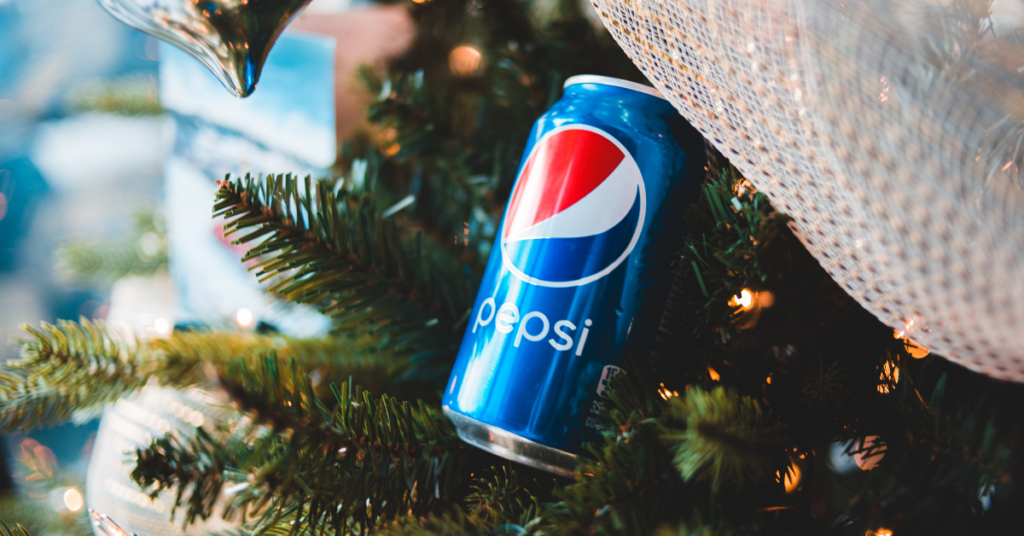
A 12 fl oz can of Pepsi contains about 38 milligrams of caffeine, around one tenth of the typical 400 mg daily limit for healthy adults.
When you reach for a cold can of Pepsi, you tend to notice the bubbles and sweetness first. The caffeine is less obvious, yet it shapes how alert you feel, how late you stay awake, and how much total stimulant you take in over the day.
Plenty of people type “how many milligrams of caffeine are in a can of pepsi?” into a search bar when they want quick clarity. The number itself is only part of the picture. You also need to see how Pepsi compares with coffee and energy drinks, how different can sizes change the math, and how many cans fit into a safe daily range.
How Many Milligrams Of Caffeine Are In A Can Of Pepsi? Facts At A Glance
The short answer is that a standard 12 fl oz can of classic Pepsi sold in the United States contains 38 milligrams of caffeine, based on PepsiCo’s own product facts for the drink. That works out to a little over 3 milligrams of caffeine per fluid ounce of cola.
Pepsi does not come in just one package size. You can buy small 7.5 fl oz mini cans, tall 16 or 20 fl oz bottles, and large bottles that hold well over a liter. Since the recipe stays the same, caffeine scales with volume. The more Pepsi in the container, the more caffeine you drink.
| Drink Or Serving | Serving Size | Caffeine (mg) |
|---|---|---|
| Pepsi, classic can | 12 fl oz | 38 |
| Pepsi, mini can | 7.5 fl oz | About 24 |
| Pepsi, 20 oz bottle | 20 fl oz | About 63 |
| Pepsi Zero Sugar, can | 12 fl oz | 38–69* |
| Diet Pepsi, can | 12 fl oz | About 35–37 |
| Brewed coffee | 8 fl oz | About 80–100 |
| Regular cola from other brands | 12 fl oz | About 34–38 |
*Older Pepsi Zero Sugar cans listed around 69 mg; newer U.S. formulas sit closer to classic Pepsi, so always check the label on the can in your hand.
This table shows that a can of Pepsi delivers a moderate caffeine dose. It sits well below most coffees and energy drinks, yet it still adds up when you drink several cans or mix Pepsi with other caffeinated drinks during the same day.
Why Pepsi Contains Caffeine In The First Place
Caffeine has been part of cola recipes for more than a century. Early colas used kola nut extracts, which naturally contained caffeine. Modern Pepsi uses added caffeine in a controlled amount so each can delivers the same taste and mild lift.
In cola, caffeine does more than wake you up. It adds a slight bitterness that balances the high sugar level. Without that touch of bitterness, a full sugar cola would taste flat and overly sweet. Caffeine helps round out the flavor and provides the alert feeling many Pepsi fans expect.
Pepsi also offers caffeine free versions for drinkers who like the taste but want to skip the stimulant. If you are sensitive to caffeine, or you drink soda late in the evening, switching to caffeine free Pepsi can help you enjoy the same cola profile with less impact on sleep.
Caffeine In A Can Of Pepsi By Size And Version
When you think about caffeine in Pepsi, the 12 fl oz can in a supermarket cooler is only one piece of the puzzle. Fountain drinks, large bottles, and different Pepsi versions all change how fast caffeine adds up through the day.
Classic Pepsi Can Sizes
For classic Pepsi, the caffeine concentration stays roughly the same across sizes at just over 3 milligrams per fluid ounce. That means you can estimate caffeine by multiplying the serving size by that figure.
A 7.5 fl oz mini can lands in the mid-20 milligram range, while a tall 20 oz bottle climbs into the low 60s. A large 1 liter bottle poured out over an afternoon can reach close to 110 milligrams of caffeine in total. The sugar count rises alongside the caffeine, so portion control helps on both fronts.
Diet And Zero Sugar Pepsi Caffeine Levels
Diet Pepsi and Pepsi Zero Sugar swap sugar for low calorie sweeteners but still rely on caffeine for both flavor balance and a mild lift. Depending on the formula and country, a 12 fl oz can often lands in the mid-30 to high-60 milligram range.
Pepsi Zero Sugar in particular has gone through recipe changes. Earlier U.S. cans listed around 69 milligrams of caffeine per 12 fl oz, close to double classic Pepsi. More recent labels sit nearer to the 38 milligram mark used in regular Pepsi, so it pays to read the nutrition facts panel rather than assume a fixed number every time.
If you drink diet cola to cut sugar but still want to sleep well, treat each can as part of your overall daily caffeine budget. Swapping sugar does not remove the stimulant, and in some versions the caffeine level stays equal or even higher than in the classic recipe.
How Pepsi Compares With Coffee, Tea, And Energy Drinks
Pepsi sits in the middle of the caffeine spectrum. On one end are decaf drinks with trace amounts of stimulant. On the other end sit energy shots and strong coffee with doses that can cause tremors or a racing heart in many people.
A typical brewed coffee at home may carry around 80 to 100 milligrams of caffeine in an 8 fl oz mug, depending on the beans and brew method. Many coffee shop servings are larger, so a single cup there can rival three cans of Pepsi in caffeine content.
Tea usually falls below coffee but above most colas. An 8 fl oz cup of black tea often lands near 40 to 60 milligrams, depending on brand and steep time. That means a cup of tea can match or even beat the caffeine in a Pepsi can, even though many people treat tea as a gentle option.
Energy drinks often go higher still. A typical 8 to 16 fl oz can can reach well over 100 milligrams of caffeine. Compared with those numbers, a can of Pepsi looks mild, yet the total from several sodas plus coffee or tea can still climb faster than you expect.
Daily Caffeine Limits And How Many Pepsi Cans Fit Inside
Health agencies give broad guidance on daily caffeine intake for healthy adults. The U.S. Food and Drug Administration notes that up to 400 milligrams of caffeine a day is generally safe for most adults, though sensitivity varies from person to person.
A can of Pepsi at 38 milligrams uses under ten percent of that 400 milligram ceiling, so a few cans still stay below the usual adult guideline. On paper, someone who only drinks classic Pepsi could reach around ten cans before touching that number, though the sugar and calories make that a poor plan for regular life.
Kids, teens, people who are pregnant, and anyone with heart rhythm or anxiety issues often need much lower caffeine intake or none at all. In those cases, caffeine free Pepsi or other non-caffeinated drinks are a better match than stacking up more cola.
| 12 fl oz Pepsi Cans | Total Caffeine (mg) | Notes |
|---|---|---|
| 1 can | 38 | Light boost for most adults |
| 2 cans | 76 | Roughly equal to a small strong coffee |
| 4 cans | 152 | Still well under the 400 mg guideline |
| 6 cans | 228 | High sugar load and plenty of caffeine |
| 8 cans | 304 | Heavy sugar load; watch for jitters and sleep issues |
| 10 cans | 380 | Near the commonly cited daily limit |
This simple chart shows how quickly multiple cans add up. Even if you rarely drink coffee, stacking several sodas through the afternoon can bring you near the same caffeine load as a heavy coffee drinker, with sugar adding its own strain on teeth, blood sugar, and weight management.
Reading Pepsi Labels So You Know Your Caffeine
One of the easiest ways to confirm caffeine content is to read the fine print on the can or bottle in your hand. In many regions, caffeine appears either in the ingredients list or in a small line near the nutrition facts. The number may show per serving, per can, or both.
PepsiCo runs a detailed Pepsi product facts site that lists caffeine figures for classic Pepsi and other flavors. In that entry, a 12 fl oz can of Pepsi confirms 38 milligrams of caffeine per can. You can visit the same site for Pepsi Zero Sugar, Diet Pepsi, and other variations to see how those recipes compare.
Labels can change over time as formulas shift, especially for diet versions and special flavors. That is why it helps to check the exact can you are drinking rather than relying on a single chart or an old memory. When you are unsure, treating the higher common number as your working figure gives you a safer buffer.
Tips For Managing Pepsi Caffeine Intake
Spread Caffeine Through The Day
Instead of drinking several cans back to back, spread them across the day with water or other non-caffeinated drinks in between. This pattern softens peaks and helps your body process caffeine more gently.
Many people find that stopping caffeine in the late afternoon helps them fall asleep more easily. If Pepsi in the evening keeps you awake, try switching to caffeine free Pepsi at dinner while keeping classic Pepsi earlier in the day.
Mix Pepsi With Low Caffeine Choices
Pair cans of Pepsi with plenty of water so caffeine and sugar do not stand alone. Sparkling water, herbal tea, and caffeine free sodas give your taste buds variety without stacking more stimulant on top of what you already drank.
If you drink coffee or energy drinks, count their caffeine before you add Pepsi. One large coffee plus two cans of Pepsi might already match a full 400 milligram guideline for the day, even if the cans themselves look modest.
Main Takeaways On Pepsi Caffeine
For the question “how many milligrams of caffeine are in a can of pepsi?”, the core number is clear. A classic 12 fl oz can delivers 38 milligrams of caffeine, which lands in the middle range for soft drinks and far below strong coffee.
That moderate level still matters when you drink several cans, choose large bottles, or layer Pepsi on top of coffee, tea, or energy drinks. Reading labels, watching serving sizes, and staying aware of the 400 milligram daily guideline helps you enjoy Pepsi while keeping caffeine and sugar in a range that suits your own body. Small steps with labels and timing go a long way for you daily.