
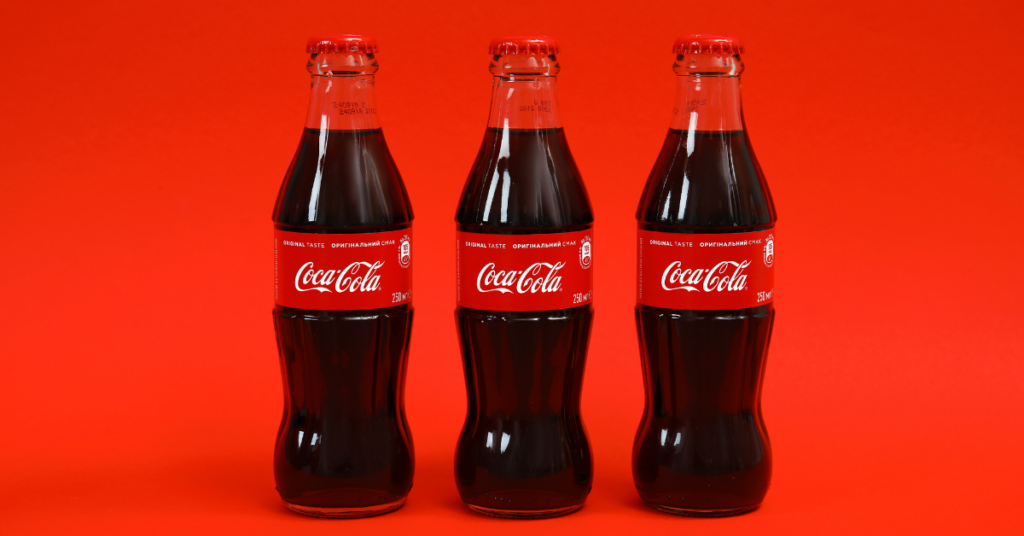
A standard 12-ounce can of Coca-Cola holds about 34 milligrams of caffeine, with common sizes ranging from roughly 21 to about 57 milligrams.
When you crack open a cold Coke, caffeine might not be the first thing on your mind. Sugar and bubbles grab the spotlight, yet the caffeine in each can or bottle still matters for sleep, focus, and daily intake. If you have ever asked yourself how many milligrams of caffeine are in coke, you are far from alone.
The caffeine level in Coke stays fairly steady across packages, because the drink uses the same base formula. The milligrams of caffeine change mainly with serving size. A figure published by The Coca-Cola Company puts a 12-ounce can of regular Coke at about 34 milligrams of caffeine, with smaller cans holding less and big bottles holding more.
How Many Milligrams Of Caffeine Are In Coke? By Common Serving Size
The table below shows typical caffeine ranges for common Coke and Diet Coke packages in the United States. Exact numbers can shift slightly by country or formulation, so the nutrition label on your own can or bottle always has the final word.
| Beverage And Size | Caffeine (mg) | Notes |
|---|---|---|
| Coke, 7.5 oz mini can | About 21 mg | Small portion for a lighter lift |
| Coke, 12 oz can | About 34 mg | Standard can size |
| Coke, 16.9 oz bottle | About 48 mg | Common single-serve bottle |
| Coke, 20 oz bottle | About 57 mg | Larger gas station style bottle |
| Diet Coke, 12 oz can | About 46 mg | Higher caffeine than regular Coke |
| Coke Zero Sugar, 12 oz can | About 34 mg | Similar caffeine to regular Coke |
| Caffeine-Free Coke, 12 oz can | 0 mg | No caffeine, same cola taste |
A single 12-ounce can of Coke sits in the low thirties to mid thirties for caffeine, below a typical coffee. Diet Coke packs more kick in the same size, while Coke Zero Sugar lands close to regular Coke.
Values can move a little across brands and markets. A caffeine chart from a consumer advocacy group lists 34 milligrams of caffeine in a 12-ounce Coca-Cola or Coke Zero Sugar can, and around 35 to 38 milligrams in similar Pepsi cans. That kind of table gives a helpful ballpark, yet your own label still matters most for precise tracking.
Caffeine In Coke Versus Coffee, Tea, And Energy Drinks
Once you know the caffeine in Coke, the next question is how it stacks up against other everyday drinks. Coke has a noticeable effect if you are sensitive, yet its caffeine load per serving sits on the low end when you line it up next to brewed coffee, tea, and many energy drinks.
A typical 8-ounce cup of brewed coffee can run anywhere from around 80 to more than 100 milligrams of caffeine, depending on roast, beans, and brew method. That means one modest mug of coffee can carry as much caffeine as two or three cans of regular Coke. Stronger coffee shop drinks and cold brew versions climb even higher.
Many energy drinks condense coffee-level caffeine into smaller cans, sometimes reaching 160 milligrams or more in a single serving. Some pre-workout mixes and concentrated shots go higher still, which is why serving size and scoop size matter so much with those products.
So a single Coke brings a mild to moderate bump in alertness for most people. The caffeine in coke stays low enough that one can rarely pushes someone over common daily limits on its own. Trouble usually starts when cola stacks on top of coffee, tea, pre-workout drinks, and chocolate across a whole day.
Daily Caffeine Limits And What Your Coke Habit Adds Up To
Health agencies offer broad guidance on daily caffeine intake for healthy adults. The U.S. Food and Drug Administration points to about 400 milligrams of caffeine per day as a general upper line that most adults can handle without unwanted effects. That figure equals roughly four 8-ounce cups of brewed coffee or around ten standard cans of cola.
People vary widely in sensitivity, though. Some sleep poorly after a single soda at dinner, while others drink several coffees with few side effects. Pregnancy, certain heart and anxiety conditions, and some medications can change how the body handles caffeine. Anyone in one of those groups should follow personal medical advice rather than a generic number.
With those caveats in mind, it still helps to see how many cans of Coke match the common 400 milligram guideline. The table below uses the typical caffeine values from earlier in this article and rounds to the nearest half can to keep the ideas simple.
| Beverage | Cans Or Bottles To Reach 400 Mg | Comment |
|---|---|---|
| Coke, 12 oz can (34 mg) | About 12 cans | 400 mg line sits near a full 12-pack |
| Coke, 20 oz bottle (57 mg) | About 7 bottles | Each bottle makes a bigger dent in the limit |
| Diet Coke, 12 oz can (46 mg) | About 9 cans | Higher caffeine shortens the margin |
| Coke Zero Sugar, 12 oz can (34 mg) | About 12 cans | Same rough cap as regular Coke |
| Caffeine-Free Coke | No limit from caffeine | Other nutrition factors still count |
These numbers show that most people would hit sugar or calorie concerns long before caffeine limits if they drink only regular Coke. That said, caffeine from coffee, tea, energy drinks, and even dark chocolate joins the same daily total. If your day starts with two strong coffees, then adds multiple colas, you can pass 400 milligrams without noticing.
The FDA consumer update on caffeine safety stresses that the 400 milligram figure is a broad yardstick, not a hard safety line. People who feel jittery, restless, or notice heart flutters at lower levels should cut back. On the other side, no one needs to chase the full allowance if lower intakes already feel right.
Healthy Adults, Special Groups, And Timing Your Coke
For many healthy adults, a can of Coke with lunch fits easily inside caffeine guidance. The main question shifts from total milligrams to timing and context. Late afternoon or evening servings can nudge bedtime later or lead to lighter sleep, even when the amount of caffeine stays modest.
Some groups need more caution. Pregnancy guidelines often suggest keeping caffeine under 200 milligrams per day, which equals about five to six cans of regular Coke or fewer diet sodas. Certain heart conditions, arrhythmias, or anxiety disorders can also change how someone reacts to caffeine, so medical advice from a personal provider always outranks general charts.
Children and teens sit in a different category again. Expert groups usually prefer caffeine intake or none at all for younger kids, with structured limits for older teens. In those cases, Coke and similar soft drinks should be an occasional treat, not a daily staple.
Timing matters alongside totals. Many people sleep better when they keep their last caffeinated drink at least six hours before bed. Swapping late night Coke for a caffeine-free cola or sparkling water helps keep the same ritual without extra stimulant load close to bedtime.
Choosing Between Regular Coke, Diet Coke, And Caffeine-Free Coke
Once you have a rough idea of the caffeine in regular Coke, the choice between versions turns into a balance between caffeine and sugar. Regular Coke brings moderate caffeine and a large sugar load. Diet Coke and Coke Zero Sugar raise or match the caffeine while removing sugar. Caffeine-Free Coke keeps the sugar and removes the stimulant.
Someone who watches caffeine more than sugar might lean toward caffeine-free cola and keep portions sensible. Another person limiting sugar intake may stick with Diet Coke or Coke Zero Sugar while tracking total caffeine from every source. People who care about both may mix and match: a regular Coke at lunch, a caffeine-free cola with dinner, and water in between.
Label reading helps with each choice. The caffeine line sits near the nutrition facts panel, and many brand websites repeat those numbers. Sugar, calories, and sodium share the same label, so you can weigh every can against your own goals instead of guessing based on taste alone.
Caffeine combines across drinks. A day with one coffee, one energy drink, and several diet colas can quickly climb near or past common recommendations. Swapping even one of those servings for a caffeine-free Coke or plain sparkling water trims the total without completely changing your habits.
Practical Tips For Tracking Caffeine From Coke
By now, the headline question how many milligrams of caffeine are in coke has a clear answer for common cans and bottles. The remaining task is building small habits so that knowledge actually shapes daily choices.
First, get familiar with the sizes you buy most often. If your fridge usually holds 12-ounce cans, remember the 34 milligram figure as a default. If gas station stops mean 20-ounce bottles, keep the higher 57 milligram estimate in mind. When you try a new flavor or variation, such as cherry or vanilla Coke, glance at the label to confirm that the caffeine line matches what you expect.
Next, think about the rest of your caffeine day. A simple mental checklist works well: morning coffee, any midday tea, pre-workout drinks, chocolate snacks, plus colas. When you roughly tally those numbers, patterns jump out. Maybe the second coffee does more harm to your sleep than the evening Coke, or the energy drink on hectic days pushes the whole stack too high.
Finally, keep an eye on how your body feels rather than chasing a single number. Trouble sleeping, racing thoughts, or a pounding heart can all signal that the daily caffeine total sits too high for you, even if the math stays under 400 milligrams. In that case, trimming one or two caffeinated drinks and swapping in caffeine-free Coke, flavored seltzer, or plain water can make a big difference over a week or two.
Cola can fit into a balanced day when you know the numbers. Small tweaks add up fast when they turn a vague habit into a deliberate pattern. Understanding the caffeine in Coke by size and variety turns a vague question into a clear picture, so every can feels like a choice instead of a guess in real life.